Bike Fuel Efficiency
With the rising cost of petrol, people are looking for ways to improve their bike mileage and reduce fuel expenses. By maintaining good mileage, you not only save money but also extend a bike's overall lifespan.
But most two-wheeler owners in India do not know how to maintain their bikes' mileage. Therefore, in this blog, we will discuss in detail the tips to improve bike mileage. This will help in adopting fuel-saving riding habits that can make your two-wheeler more efficient and cost-effective for daily use.


Share this article

List of Content
 Key Summary
- What is Bike Mileage and Why Does It Matter?
- How to Do a Bike Mileage Check?
- How to Increase Bike Mileage?
- Conclusion
Key Summary
|
What is Bike Mileage and Why Does It Matter?
Bike mileage is basically the distance a bike can travel using one litre of fuel. It is generally measured in kilometres per litre (km/l). For instance, if a bike gives a mileage of 50 km/l, it means the bike can travel 50 kilometres using one litre of petrol.
If the bike has higher mileage, it means it consumes less fuel; if it has lower mileage, it consumes more fuel. Bike mileage is an important factor, as it directly affects the vehicle's overall running cost.
If a bike is fuel-efficient, you will save money on fuel costs, reduce unnecessary fuel consumption and ensure better engine performance. In addition, good mileage indicates that the bike is well-maintained and functioning efficiently.
Also Read: Best Mileage Bikes in India
How to Do a Bike Mileage Check?
Bike mileage check is a method for determining a bike's actual mileage. By checking the bike's mileage, you will know whether it is fuel-efficient or consuming more fuel than usual. You can easily check your bike's mileage using either the full tank or reserve method.
Full Tank Method
Here are the steps to follow for the bike mileage check.
- Step 1: Fill your bike fuel tank up to the brim. Then either note down the odometer reading or reset the trip meter to zero.
- Step 2: Use the bike normally for a few days until you consume a measurable amount of fuel. Ensure you complete 100-150 km.
- Step 3: Next, go to the petrol pump, fill the fuel tank, and note the number of litres filled.
- Step 4: Check the distance travelled using the trip meter or odometer reading. Calculate the bike mileage using the formula.
Bike Mileage = Distance Travelled / Fuel Consumed.
For instance, if your bike travelled 300 kilometres and consumed 6 litres of petrol, the mileage would be 50 km/l.
Reserve Method
Here are the steps you need to follow to check the bike mileage:
- Step 1: Fill the fuel tank and switch the fuel knob to the “ON” position.
- Step 2: Ride the bike normally until it automatically shifts to the reserve fuel mode.
- Step 3: Note the distance travelled on the trip meter or odometer.
- Step 4: Refill the tank and check the amount of fuel required to fill it again.
- Step 5: Calculate the mileage using the distance travelled and fuel consumed.
Bike Mileage = Distance Travelled / Fuel Consumed.
For example, if your bike travelled 180 kilometres before switching to reserve mode and consumed 4 litres of petrol, the mileage would be 45 km/l.
Tips for Accurate Results While Doing Bike Mileage Check
- One major tip is to reset the trip meter after refuelling so you can track the exact distance covered.
- Check mileage under normal riding conditions, not during unusually long highway rides or heavy traffic alone.
- Do not include idle time in calculations. Engine idling burns fuel but doesn’t add distance.
- Repeat the test 2–3 times and take an average. One reading can be misleading.
- Try to maintain a consistent riding style during the test period instead of changing speed or habits.
- Avoid testing immediately after servicing or tuning changes; give the bike a few days to stabilise.
How to Increase Bike Mileage?
If you are wondering how to increase a bike's mileage, you can do so by following smart riding habits and proper vehicle maintenance. Here are some ways to ensure your bike shifts from a good mileage bike to what is commonly referred to as the best mileage bike.
How to Improve Bike Mileage - Smart Riding Habits
- Maintain an Economy Speed: Riding at a moderate and consistent speed helps improve fuel efficiency. Most bikes deliver better mileage when ridden between 40 and 60 km/h. Overspeeding increases fuel consumption and reduces engine efficiency.
- Avoid Sudden Throttle & Braking: Another bike mileage tip is to avoid sudden throttle and braking. Sudden acceleration and hard braking put additional pressure on the engine, which gradually requires more fuel. Ensure smooth riding to improve engine life.
- Use Good Quality Fuel: Contaminated fuel harms vehicle engines, reducing the bike's mileage. Use high-quality fuel to help the engine perform efficiently and prevent harmful deposits from forming.
- Use Proper Gears: If you do not ride your bike in the correct gear, then it also affects the mileage. For example, if you are using low gear at high speed, then it will impact the bike's mileage. Ensure you use the correct gear for the speed. This helps reduce engine strain and fuel consumption.
- Use Better Routes: Another bike mileage improvement tip is using better routes. Congested roads and high traffic will lead to unnecessary braking, idling and fuel wastage. Take better routes to save fuel while travelling.
- Avoid Carrying Excess Weight: If you carry excess baggage on your bike, the engine needs more power to move the vehicle, leading to higher fuel consumption. Keeping the bike load light can help improve bike mileage and engine performance.
How to Improve Bike Mileage - Vehicle Maintenance
- Maintain Correct Tyre Pressure: Under-inflated tyres increase the rolling resistance and push the engine to consume more fuel. This is why it is crucial to regularly check and maintain the manufacturer-recommended tyre pressure.
- Clean the Air Filter: If the bike's air filter is dirty, it can restrict airflow to the engine. As a result, the engine would consume more fuel. Regularly cleaning or replacing the air filter helps maintain fuel efficiency.
- Check Engine Oil Regularly: Old, low-quality engine oil causes friction, significantly affecting mileage. It is recommended to change the engine oil regularly and to always use the correct grade of oil.
- Keep the Chain Lubricated: A dry or poorly maintained chain creates extra friction, reducing power transfer efficiency. Regular cleaning and lubrication of the chain helps improve performance and fuel economy.
- Regular Bike Servicing: Timely servicing keeps all engine components in good condition. It helps detect issues early, improves combustion efficiency, and ensures better overall mileage.
Also Read: How To Improve Your Bike’s Mileage?
Conclusion
Knowing how to maintain bike mileage is crucial to saving on fuel costs. Using smart riding habits, such as maintaining a steady speed and avoiding sudden braking, you can increase your bike's mileage. Furthermore, proper vehicle maintenance tips, such as timely bike servicing, maintaining correct tyre pressure, etc., also improve engine performance, which eventually leads to lower fuel consumption.
Apart from this, vehicle owners in India need to have a third-party bike insurance plan before getting on the road. Driving without a mandatory bike insurance policy results in fines and penalties.
When buying a 2-wheeler insurance plan, TATA AIG offers a customised plan tailored to your driving needs. For instance, we offer a comprehensive bike insurance plan that not only protects your vehicle against third-party liability but also covers damage to your own bike from accidents, theft and other perils.
Furthermore, our bike insurance plan comes with various add-ons such as return to invoice, engine secure, tyre secure, and more, if you want to enhance your coverage. You will also get cashless repair service at authorised network garages anywhere in India with TATA AIG. Secure your two-wheeler with our cost-effective bike insurance plan now!
Frequently Asked Questions
What is the best speed for bike mileage?

The best speed for good bike mileage is between 40 and 55 km/h. Also, ensure that you are riding the bike in high gear at this speed.
How often do I need to check my bike mileage?
It is important to check your bike's mileage every 2 to 4 weeks if you use it regularly. This gives you a clear and stable idea of real mileage.
How to calculate the fuel cost per kilometre?
The bike's fuel cost depends on the distance travelled, mileage and fuel price per litre. Here is the formula to calculate the cost:
Fuel Cost per Km = Distance (km) / Mileage (km/L) x Fuel Price (per liter)
If my vehicle is idle, will it affect the mileage?
When your bike is idling, the engine is still burning fuel, but you are not moving. So in simple terms, fuel is being used without adding kilometres. This brings down the overall mileage.
How to save fuel on a bike?
Here are some bike mileage tips which you can use daily to save fuel, such as:
- If you are stuck in long traffic or waiting at a signal for more than a minute, switch off the engine rather than keep it idling.
- Don’t over-rev the engine in lower gears. Shift up early when the speed allows.
- Warm up the engine only briefly, especially in normal weather.
Read More
Key Insurance term
3rd Party 2 Wheeler InsuranceTwo Wheeler Comprehensive InsuranceOwn Damage Insurance Two WheelerFirst Party Insurance Two Wheeler PriceElectric Bike InsuranceLong Term Bike InsuranceOld bike insuranceBike Insurance Zero DepreciationIDV in Bike InsuranceNCB in Bike InsuranceCompare Two Wheeler InsurancePersonal Accident Cover in Bike InsuranceReturn To Invoice Vs Zero DepreciationBike Insurance Premium CalculatorEngine Protection Cover in Bike InsuranceBike Insurance Grace PeriodBumper to Bumper Bike InsuranceShare this article
Latest from our blogs
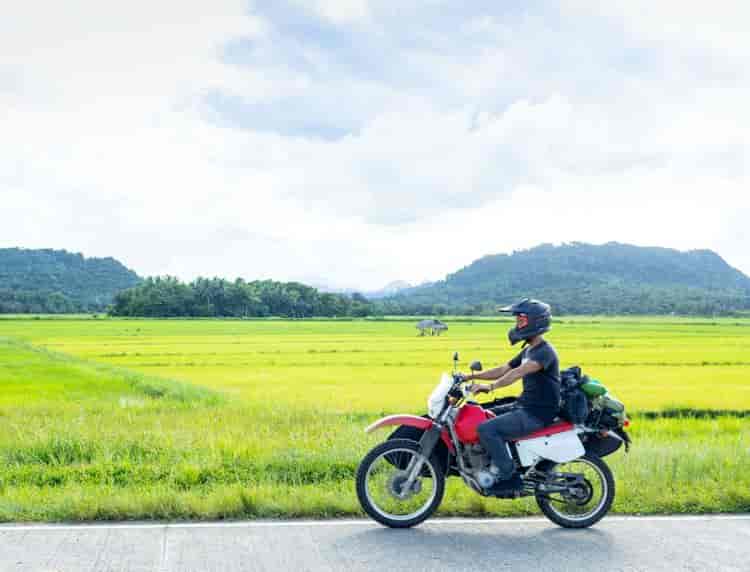
How to Improve Bike Performance in 7 Easy Steps
Steps to improve bike performance: air filters, new tyres, upgraded brakes and the better fuel filters.
Read More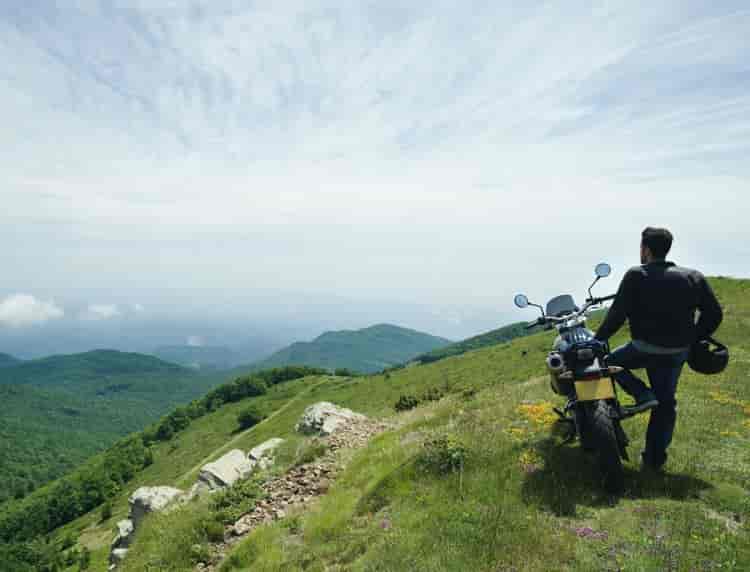
Bike Servicing Tips - Keep It in Top Condition
The most basic motorcycle maintenance tip is regular cleaning, and steady riding speeds help a lot too.
Read More
How to Maintain Tyre Pressure on a Two-Wheeler
Maintain optimal tyre pressure for safety and performance. Learn the ideal PSI and how best to check it.
Read More"Disclaimer: The content of this article is for general informational purposes only and is subject to change. It is based on information available at the time of writing.
Any insurance-related information given above cannot be interpreted as policy coverage. It should not be considered insurance, legal, regulatory, or other professional advice, or a substitute for the terms and conditions of your bike insurance policy.
Bike insurance coverage, benefits, exclusions, limits, eligibility criteria, and other applicable conditions are subject to the terms of the respective policy document. Please refer to the applicable policy document for complete details. Readers are advised to verify the latest information with the relevant authorities or official sources before making any decisions.
Any reference to bike insurance or TATA AIG is for general awareness only and does not constitute an offer, recommendation, or advice to purchase a bike insurance policy from TATA AIG. TATA AIG does not guarantee coverage for any specific claim, loss, or situation based solely on the information provided in this article."