Strategies to Prevent Accidents In The Manufacturing Sector
Safety and health in the manufacturing units is not just about compliance, it is a key driver of operational stability, long-term performance and employee confidence. Manufacturers face daily challenges because of complex machinery, a fast-paced environment, and evolving risks. This is where the concern for manufacturing safety arises.
While prevention remains the priority, unforeseen events can still occur. That is why manufacturers must secure their employees through Workmen's Compensation insurance to provide financial protection in case of any such accidents.


Share this article

Secure Workers With Trusted WC Policy Online
 Premium calculator(Requires manual entry. Mobile Number not required)
List of Content
 What Are The Most Common Accidents in The Manufacturing Sector?
- Maintain Health and Safety in Manufacturing Operations
- What is the Importance of Manufacturing Workplace Safety?
- How can Risk Assessments Help Prevent Accidents in Manufacturing?
- What Is The Role Of TATA AIG Workmen Compensation Insurance in Manufacturing Industries?
- Conclusion
What Are The Most Common Accidents in The Manufacturing Sector?
Manufacturing plants may differ in scale and process, but the types of accidents they face are similar. Having a clear understanding of these hazards is the first step in preventing workplace injuries. The following are some of the most common causes of accidents in the manufacturing units.
Electrical Hazards
Manufacturing sites generally contain complex electrical systems. Handling them improperly can lead to fire, electrical shock, equipment damage, as well as fatal injuries. Some of the most common causes are exposed wires, faulty outlets, improper lockout of energised equipment during repairs, etc.
Exposure to Hazardous Substances
Fumes, chemical spills, dust and other hazardous materials can cause poisoning, burns, respiratory issues and long-term health conditions. Inadequate PPE, poor ventilation, improper labelling, and chemical storage can all harm the employees.
Repetitive Strain Injuries
These injuries typically arise from poor posture and repeated motions, which can harm tendons, muscles, and nerves. These types of injuries are most common in assembly line jobs and office work. Proper breaks and ergonomic equipment must be provided to the employees to avoid such injuries.
Machine Entanglement
This occurs when an employee's hair, clothing, or body part gets caught in machinery with rotating or moving parts. This can lead to severe injuries such as lacerations, amputations and even death. Employers should install appropriate machine guards, provide proper training, and use safety gear to prevent such accidents.
Extreme Temperature
Exposure to extreme cold or hot temperatures can lead to heat stress, frostbite, heat stroke or even hypothermia. The most common causes of these accidents are outdoor work, poor ventilation and lack of proper clothing. To prevent this, proper rest breaks must be provided to the employees.
Falls From Height
Such types of accidents are most common in the warehouse and construction sectors, where workers mostly operate at elevated heights. Most common causes are lack of guardrails, uneven work surface and improper use of ladders. To avoid these accidents, employees must be provided with safety harnesses and guardrails, training to work at heights and on stable surfaces.
Lacerations and Cuts
Lacerations and cuts are generally caused by machinery or sharp objects and are most common in industries that use cutting machinery and tools. These are generally caused by improper tool use, failure to wear protective gear, and improper equipment maintenance. To avoid these, employees should be provided with proper tools, cut-resistant gloves and proper training.
Maintain Health and Safety in Manufacturing Operations
Manufacturing hazards are very common. They can arise from multiple sources, such as human error, equipment malfunction and hazardous materials. Following manufacturing safety tips helps minimise these risks, protect employees, and maintain a safe and efficient workplace.
Using Personal Protective Equipment (PPE)
Workers must wear all the safety equipment, such as goggles, gloves, hard hats, etc. Most importantly, it is the duty of the employers to provide appropriate PPE for different activities. This can keep the employees safe and protected from accidents.
Perform Regular Safety Audits
Conducting regular safety audits is of utmost importance as it can help identify hazards. Also, it helps in finding out the areas for improvement in the manufacturing facility. These safety audits must cover processes, equipment and employee practices. By conducting these audits, employers can identify the threats and work on them in advance.
Provide Proper Training
The employers should provide proper training to the employees on how to use machines, equipment and tools safely. They should also be warned to use them for their intended purpose only. Not providing proper machinery safety precautions might lead to a mishap.
Keep Emergency Exits Unblocked
Employees must have access to emergency exits during emergencies. Employers must ensure that work areas are clean and free of obstacles that could hinder evacuation. Moreover, the emergency exits must be properly marked and well-lit.
Give Frequent Breaks
Overwork can lead to fatigue, which in turn can lead to injuries and accidents in the manufacturing facilities. Employers should give proper breaks to their employees, especially when they are performing repetitive tasks or working for long hours. These breaks will help the employees to rest and maintain focus on safety.
Control Unsafe Conditions
Employers should promote reporting of unsafe conditions. So when employees notice any such issue, they can report it to their supervisors. Also, if any equipment is malfunctioning or damaged, it is necessary to inform the relevant personnel.
Prevent Falls, Slips and Trips
One of the most common causes of injuries in manufacturing facilities is falling, tripping and slipping. The employers must take proper measures to prevent such incidents. They must keep the workplace clean, monitor the floor conditions and use protective devices such as pallets and guards. Also, the employees must quickly inform the management of potential hazards.
Set up Security Cameras
By consistently monitoring through security cameras, employers can avoid potential hazards. These cameras can identify abnormal events, such as workers not wearing PPE kits, obstructed walkways, unattended hazardous materials, and using machinery the wrong way. These can prevent accidents by having a clue about them in advance.
Label Hazards
Hazards that cannot be removed should be properly labelled so employees can remain cautious. For instance, if a machine is hot to the touch and could hurt someone, it should have a proper label. This can prevent unnecessary accidents.
Discourage Shortcuts
Injuries can occur when employees rush and use shortcuts by skipping the safety protocols. So make sure that employees do not rush and take things slowly to avoid any mishaps.
Also read: 5 Safety Measures to Take to Ensure Worker's Safety
What is the Importance of Manufacturing Workplace Safety?
Workplace hazard management is crucial for maintaining an accident-free and productive environment. In addition to protecting workers from risk, it also ensures regulatory compliance and equips workers with proper knowledge on how to keep themselves safe.
The following are the reasons why safety is important in the manufacturing sector.
Legal Compliance
Various governing bodies have strict standards and regulations for manufacturing safety. By properly adhering to these regulations, manufacturing units can avoid penalties and fines while also ensuring the safety of their workers.
Workers' Protection
The most important benefit of prioritising manufacturing safety is protecting workers ' lives and health. By providing training, implementing safety protocols and maintaining equipment, the companies can ensure their employees work in a safe environment.
Company Reputation
In addition to protecting workers, industrial safety measures also safeguard a company’s reputation. A workplace with a history of accidents and mishaps can damage the image of a company. This will make it less attractive to potential customers and employees.
Boost Productivity
A safe working environment leads to high levels of productivity as workers are less likely to get injured and become ill. It also means less downtime due to injuries and accidents. This boosts productivity as it allows for uninterrupted production processes.
Boost Morale
When the workers feel valued and safe in a company, their overall morale improves. This leads to a positive work environment where the employees are motivated and engaged in their tasks. This results in higher quality work.
Reduced Accidents
Proper safety measures decrease the risk of workplace injuries. They protect the workers and reduce costs associated with lost production, medical treatment and potential legal fees.
Less Financial Liabilities
Workplace accidents can be very costly as they can attract fines, penalties and compensation claims. That is why it is important to invest in health and safety measures to avoid these financial liabilities. The best way to stay financially safe is to buy a WC policy online.
Regardless of all these efforts, accidents can happen anytime. That is why it is always best to have a safety net like TATA AIG labour insurance. It provides the necessary financial assistance to the employees and their families. Plus, it also safeguards employers from legal and financial liabilities that may arise due to this.
How can Risk Assessments Help Prevent Accidents in Manufacturing?
Manufacturing risk management helps in preventing accidents in the manufacturing industries by:
Hazard Identification
The first step in risk assessment is identifying the potential hazards before they cause harm. This can include electrical systems, machinery, ergonomic issues and other workplace risks.
Risk Analysis
The second step involves increasing the overall operational efficiency by analysing risks proactively. This includes considering factors such as operational conditions, exposure frequency, etc.
Risk Evaluation
After risk analysis comes the step of risk evaluation. You need to compare the estimated risk with established criteria to determine its importance. This assists in prioritising risks that need quick attention.
Review and Monitor
Ensuring compliance with health and safety regulations. Reducing the likelihood of workplace accidents and the costs associated with them.
What Is The Role Of TATA AIG Workmen Compensation Insurance in Manufacturing Industries?
Even after taking all the industrial safety measures, accidents are sometimes unavoidable. That is why having a safety net in the form of Workmen Compensation Insurance is important.
It covers various types of risks, including electrical hazards, repetitive strain injury, injury due to machinery and others.
This insurance safeguards employees and provides financial support to workers or their families in case of workplace accidents or injuries.
It assists employers in meeting their legal liabilities while maintaining a strong goodwill among the workforce.
It reduces financial burden from workplace accidents and hence allows smooth operations.
It shows commitment to workers' safety and improves their morale, and ensures retention.
Also read: Workman Compensation Insurance Policy and its Benefits
Conclusion
Most of the manufacturing accidents can be avoided by following proper training and manufacturing safety tips. Ensuring safety in the manufacturing sector is a complex process that requires awareness, commitment and proactive measures.
There’s no doubt that implementing industrial safety measures creates a safer workplace. However, when these measures are combined with TATA AIG’s Workmen Compensation Insurance ensures full-fledged protection.
This not only safeguards workers in case of accidents or injuries but also ensures legal compliance, reduces financial risks for the company, and reinforces a culture of safety and trust across the organisation.
Moreover, with TATA AIG, employers can easily buy labour insurance online through a few simple steps, making the process quick and convenient. The claim process is streamlined as well, allowing for hassle-free initiation and settlement.
Secure Workers With Trusted WC Policy Online
Premium calculator(Requires manual entry. Mobile Number not required)FAQs
What is the role of safety training in preventing workplace injuries?

Safety training provides employees with the skills and knowledge to recognise hazards, respond effectively in emergencies and adhere to safety procedures.
How frequently should safety training be conducted?
Safety training must be conducted regularly, depending on the job tasks and industry. For instance, new employees must receive safety training at the time of orientation. Also, all the employees must participate in refresher training at least once a year.
What are the steps in conducting a risk assessment?
The fundamental steps in risk assessment include:
Identify Hazards: Firstly, examine the workplace to find out the sources of harm.
Assess Risks: Evaluate the severity of harm from the identified hazards.
Implement Controls: Develop the measures to reduce or eliminate risks.
Review and Monitor: Consistently check the effectiveness of control measures and update them when necessary.
Are there any add-ons available for Workmen compensation insurance?
Yes, employers can add extra coverage to the employee’s compensation insurance, such as medical benefits or protection against occupational diseases.
Read More
Key Insurance term
Fire InsuranceHealth Insurance for EmployersWC PolicyBusiness Indemnity InsuranceLiability InsuranceShop InsuranceTransit InsuranceCyber InsuranceOffice InsuranceLabour InsuranceIndemnity Insurance For DoctorsBurglary InsuranceCargo InsuranceFreight InsuranceFire And Burglary InsuranceTheft InsuranceCommercial Property InsuranceContractors All Risk InsuranceStandard Fire And Special Perils PolicyIndemnity LawyersErection All Risk InsuranceEngineering InsuranceMarine Open PolicyContractors Plant Machinery InsuranceGroup Health Insurance Premium CalculatorWorkmen Compensation Policy Premium CalculatorMarine Insurance Premium CalculatorShare this article


Latest from our blogs
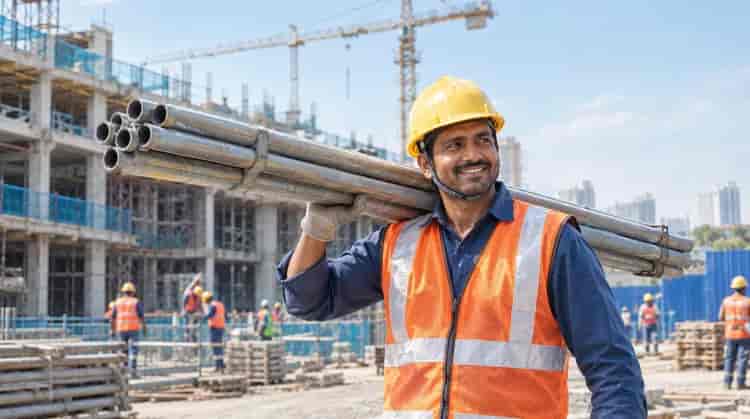
Common Causes of Workplace Accidents in India
Explore the most common causes of workplace accidents and how employers can prevent them before you decide.
Read More
WC Cover for Transport Workers Explained
Learn how workmen compensation insurance protects workers employed in the transport sector before you decide.
Read More
Fatal vs Non-Fatal Accident Cover Explained
Understand how fatal and non-fatal accidents are treated differently under a workmen policy before you decide.
Read More"Disclaimer: The content of this article is for general informational purposes only and is subject to change. It is based on information available at the time of writing.
Any insurance-related information given above cannot be interpreted as policy coverage. It should not be considered insurance, legal, regulatory, or other professional advice, or a substitute for the terms and conditions of your workmen compensation insurance policy.
Workmen compensation insurance coverage, benefits, exclusions, limits, eligibility criteria, and other applicable conditions are subject to the terms of the respective policy document. Please refer to the applicable policy document for complete details. Readers are advised to verify the latest information with the relevant authorities or official sources before making any decisions.
Any reference to workmen compensation insurance or TATA AIG is for general awareness only and does not constitute an offer, recommendation, or advice to purchase a workmen compensation insurance policy from TATA AIG. TATA AIG does not guarantee coverage for any specific claim, compensation, loss, liability, or situation based solely on the information provided in this article."