Most Important Construction Safety Issues
The construction industry is essential for economic growth, but it also faces significant construction safety issues due to its high-risk working environment. From working at heights to operating heavy machinery, construction sites are filled with potential dangers that can quickly turn into serious construction safety problems if not properly managed.
Beyond immediate accidents, there are growing construction work-related health risks, including long-term exposure to dust, noise and hazardous chemicals. These evolving construction site safety issues highlight the need for stronger safety practices and risk management.
In this blog, we will examine the most critical health and safety issues in construction, including both physical hazards and main construction-related health risks, along with strategies to reduce risks and create safer work environments.


Share this article

Insure Your Construction Workforce With TATA AIG WC Policy Starting at Just ₹590!
 Premium calculator(Requires manual entry. Mobile Number not required)
List of Content
 Understanding Construction Workplace Hazards
- An Overview of Construction Safety Issues
- Strategies to Prevent Construction Site Safety Issues
- Legal and Regulatory Considerations
- Conclusion
Understanding Construction Workplace Hazards
Construction projects operate in constantly changing environments where risks evolve daily. Identifying and managing construction workplace hazards is the first step toward reducing serious construction safety issues and protecting workers on site.
Construction workplace hazards generally fall into several categories:
Physical Hazards: Include working at heights, moving machinery, falling objects and unstable structures. These are among the most visible construction site safety issues and often result in immediate injuries if proper precautions are not in place.
Chemical Hazards: Arise from exposure to paints, solvents, adhesives, cement dust and silica. Over time, these exposures contribute to significant construction work-related health risks and may lead to respiratory illnesses or skin conditions.
Environmental Hazards: Involve extreme temperatures, heavy rainfall, strong winds and excessive noise. These conditions are linked to some of the current common health risks in construction, such as heat stress and hearing loss.
Ergonomic Hazards: Stem from repetitive movements, awkward postures and manual material handling. Though less dramatic than falls or machinery accidents, they remain a major construction worker health risk that can result in chronic musculoskeletal disorders.
An Overview of Construction Safety Issues
Major Construction Site Safety Issues
Construction sites are fast-moving environments where multiple activities take place simultaneously. Without strong supervision and strict safety protocols, routine tasks can quickly turn into serious construction site safety issues. Addressing these risks is critical to reducing recurring construction safety problems across projects.
Falls from Heights
Falls remain one of the leading causes of injuries and fatalities in construction. Workers frequently operate on scaffolding, ladders, rooftops and unfinished structures. Inadequate guardrails, improper harness use and unstable platforms significantly increase the risk. Despite awareness campaigns, falls continue to be one of the most severe health and safety issues on construction sites, often resulting in life-altering injuries.
Struck-by and Caught-in Accidents
Construction zones involve cranes, forklifts, trucks and heavy machinery moving materials throughout the site. Workers may be struck by moving vehicles or falling tools and materials. Caught-in or caught-between accidents, such as being trapped between equipment or collapsing structures, are also common. These incidents represent major construction workplace hazards and are often linked to poor traffic management and a lack of communication.
Electrical Hazards
Temporary wiring, exposed cables and unfinished electrical systems pose serious electrocution risks. Contact with overhead power lines or faulty equipment can lead to severe burns or fatalities. Electrical risks remain a persistent construction safety issue, especially when safety checks and lockout procedures are ignored.
Machinery and Equipment Accidents
Heavy equipment like excavators, concrete mixers and power tools are essential to construction operations. However, inadequate training, poor maintenance and operator fatigue can quickly create dangerous situations. Equipment-related incidents continue to drive significant construction safety problems, particularly on large-scale projects with tight deadlines.
Slips, Trips and Poor Housekeeping
Uneven surfaces, debris, loose cables and wet areas contribute to slips and trips. Although often viewed as minor accidents, they can cause fractures, head injuries and lost workdays. Poor housekeeping remains one of the most preventable yet common health and safety issues in construction environments.
Construction Work-Related Health Risks
While accidents involving machinery and falls often receive immediate attention, long-term construction work-related risks are equally serious and sometimes more damaging over time. Many of these risks develop gradually due to repeated exposure to hazardous conditions, making them harder to detect until significant harm has occurred.
Exposure to Dust and Silica
Construction activities such as drilling, cutting and grinding release fine dust particles, including silica. Prolonged inhalation can lead to chronic respiratory diseases, lung damage and other serious conditions. This remains one of the main construction-related health risks, particularly in projects involving concrete, stone and masonry work.
Noise-Induced Hearing Loss
Continuous exposure to loud equipment, including heavy machinery like excavators, jackhammers and concrete mixers, contributes to permanent hearing damage. Among the current common health risks in construction, noise exposure is often underestimated because its effects are gradual, however, they are irreversible.
Chemical Exposure
Workers regularly handle paints, solvents, adhesives, sealants and fuels. Without proper ventilation and protective gear, these substances can cause skin irritation, respiratory problems and long-term health complications. Chemical contact remains a persistent factor in rising construction worker health risks across job sites.
Heat Stress and Dehydration
Many construction projects take place outdoors under extreme weather conditions. Prolonged exposure to high temperatures can cause dehydration, heat exhaustion or heat stroke. With rising temperatures in many regions, heat-related illness has become one of the growing health and safety issues in construction.
Vibration and Equipment-Related Strain
Operating heavy machinery and powder tools exposes workers to constant vibration. Over time, this can result in nerve damage, circulation problems and musculoskeletal disorders. These often-overlooked exposures add to the burden of long-term construction work-related health risks.
Ergonomic and Musculoskeletal Risks
Among the many construction workplace hazards, ergonomic and musculoskeletal risks are often overlooked because they do not usually result in immediate accidents. However, over time, they become some of the most serious construction worker health risks, affecting productivity, attendance and overall well-being.
Construction work frequently involves repetitive tasks, heavy lifting, bending, twisting and working in awkward postures. Activities such as carrying cement bags, installing fixtures overhead or operating vibrating tools place continuous strain on muscles and joints. These conditions contribute significantly to construction work-related health risks, particularly back injuries, joint disorders and chronic pain.
Manual material handling remains one of the primary causes of musculoskeletal disorders in the industry. Without proper lifting techniques, mechanical aids or team coordination, workers face a higher likelihood of sprains, strains and long-term spinal problems. Over time, these issues evolve into persistent health and safety issues in construction, leading to reduced efficiency and increased absenteeism.
Addressing ergonomic concerns through proper training, task rotation, mechanical lifting and ergonomic tool design can significantly reduce these hidden but costly health and safety issues on construction sites.
Psychological and Mental Health Risks in Construction
Mental well-being is an increasingly recognised aspect of health and safety issues in construction. Construction workers often face long working hours, tight project deadlines and physically demanding tasks, which can contribute to stress and fatigue. Job insecurity, temporary employment and extended periods at work away from family may further affect emotional well-being.
These pressures can lead to anxiety, burnout and reduced concentration, increasing the likelihood of accidents and other construction safety issues. Mental strain is therefore considered one of the emerging construction worker health risks within the industry. Addressing these concerns through supportive workplace policies, reasonable schedules and open communication can help reduce both stress and health and safety issues on construction sites.
Strategies to Prevent Construction Site Safety Issues
Conduct Regular Risk Assessments
Routine inspections help identify potential construction workplace hazards before they lead to accidents. Evaluating site conditions, equipment and work processes allows safety teams to address risks and minimise both immediate dangers and long-term construction work-related health risks.
Provide Proper Training and Safety Awareness
Comprehensive training ensures that workers understand safe operating procedures, emergency responses and hazard recognition. Skilled and informed workers are better equipped to avoid common health and safety issues on construction sites.
Ensure Use of Personal Protective Equipment (PPE)
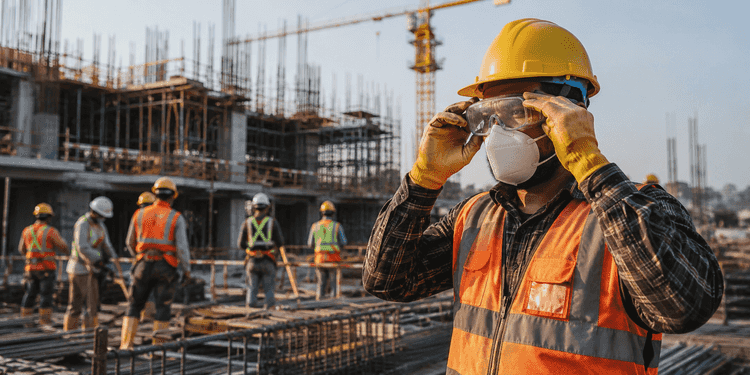
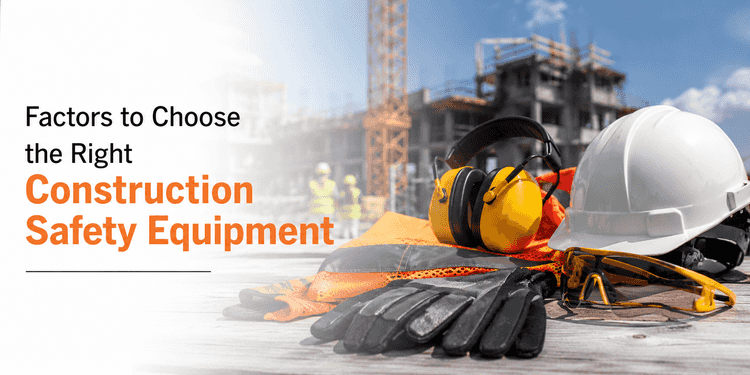
Protective gear such as helmets, gloves, safety harnesses, eye protection and respiratory masks plays a vital role in reducing injuries and exposure to harmful substances. PPE is especially important in preventing construction worker health risks caused by dust, chemicals and noise.
Promote a Strong Safety Culture
Encouraging workers to report hazards, follow safety protocols and participate in toolbox tasks helps organisations address health and safety issues in construction more effectively while improving overall site safety awareness.
Legal and Regulatory Considerations
Compliance with safety regulations plays a crucial role in reducing construction safety issues and protecting workers from serious harm. Governments and regulatory bodies establish workplace safety standards that require employers to identify risks, provide protective equipment and maintain safe working conditions. Adhering to these rules helps organisations control major construction workplace hazards and minimise accidents.
Failure to comply with safety regulations can lead to legal penalties, project delays and reputational damage. More importantly, it increases the likelihood of serious health and safety issues on construction sites. By prioritising compliance and regular safety audits, businesses can better manage construction worker health risks while ensuring a safer and more responsible work environment.
Conclusion
Addressing construction safety issues requires a proactive and well-structured approach that focuses on both immediate hazards and long-term health risks. From falls and machinery accidents to exposure to dust, noise and chemicals, the construction industry faces a wide range of health and safety issues in construction that demand constant attention. Implementing proper training, safety protocols and risk assessments can significantly reduce accidents and create safer working environments for everyone on site.
In addition to preventive measures, financial protection is equally important. A comprehensive workmen compensation solution ensures that employees receive timely support in the event of workplace injuries while helping businesses meet statutory obligations. By investing in the right workers' compensation insurance or a well-structured WC policy, organisations can safeguard both their workforce and their financial stability.
For growing enterprises, integrating safety planning with the right coverage provides an added layer of protection against operational risks. With tailored small business insurance coverage options and efficient claim support, TATA AIG helps businesses strengthen their risk management strategy while ensuring compliance and workforce protection. Explore TATA AIG’s insurance solutions today to build a safer and more resilient construction business.
Insure Your Construction Workforce With TATA AIG WC Policy Starting at Just ₹590!
Premium calculator(Requires manual entry. Mobile Number not required)Frequently Asked Questions
How can technology improve construction site safety?

Technology can significantly reduce construction safety issues by improving monitoring and communication. Tools such as wearable safety devices, drones for site inspections and AI-powered cameras can detect unsafe behaviour, monitor hazardous zones and alert supervisors in real time. These innovations help companies address construction workplace hazards more quickly and improve overall site safety management.
Why is safety reporting important in construction projects?
Safety reporting encourages workers to report near misses, unsafe conditions and potential construction site safety issues before they result in accidents. Maintaining clear reporting systems helps organisations identify recurring construction safety problems, strengthen preventive measures and build a culture where workers feel responsible for maintaining a safe work environment.
Key Insurance term
Share this article
Latest from our blogs
Construction Safety Equipment Guide Explained
Learn about the essential construction safety equipment every site should have on hand for smarter decisions.
Read More
Construction Safety Rules & Rules Explained
Understand the key construction safety rules and regulations every site must follow for smarter decisions.
Read More
Construction Safety Management Tools in India
Explore how construction safety management software helps track and reduce site risks for smarter decisions.
Read More"Disclaimer: The content of this article is for general informational purposes only and is subject to change. It is based on information available at the time of writing.
Any insurance-related information given above cannot be interpreted as policy coverage. It should not be considered insurance, legal, regulatory, or other professional advice, or a substitute for the terms and conditions of your workmen compensation insurance policy.
Workmen compensation insurance coverage, benefits, exclusions, limits, eligibility criteria, and other applicable conditions are subject to the terms of the respective policy document. Please refer to the applicable policy document for complete details. Readers are advised to verify the latest information with the relevant authorities or official sources before making any decisions.
Any reference to workmen compensation insurance or TATA AIG is for general awareness only and does not constitute an offer, recommendation, or advice to purchase a workmen compensation insurance policy from TATA AIG. TATA AIG does not guarantee coverage for any specific claim, compensation, loss, liability, or situation based solely on the information provided in this article."