Premium calculator(Requires manual entry. Mobile Number not required)

How Fire and Property Insurance Protect Your Finances During Natural Disasters
A safer financial future starts with protecting what matters. Explore Fire and Property Insurance for your property.
How Fire and Property Insurance Protect Your Finances During Natural Disasters
Natural disasters can cause extensive damage to buildings, businesses, belongings, equipment and other valuable assets. Repairing or replacing these assets can create significant pressure on your finances.
A suitable insurance policy can help reduce this burden after a covered event. Fire and property insurance can provide financial protection against specified risks, depending on the policy selected.
Understanding the coverage, exclusions, sum insured and claim process can help property owners prepare financially for unexpected disasters.
Why Natural Disasters Can Put Your Finances at Risk
Natural disasters can cause sudden and expensive damage to properties.
The financial impact can include:
- Floods: Damage to furniture, electrical equipment, stock, flooring and building structures.
- Cyclones and storms: Damage to roofs, walls, windows, machinery and other assets.
- Earthquakes: Structural damage that can require costly repairs or reconstruction.
- Landslides: Damage to buildings, surrounding structures and valuable property.
- Business interruptions: Loss of inventory, equipment and expenses involved in restoring operations.
How Does Fire Insurance Work?
Fire and property insurance provides financial protection against specified risks affecting insured property and assets. The coverage available depends on the policy, selected sum insured, exclusions and applicable conditions.
Fire Insurance
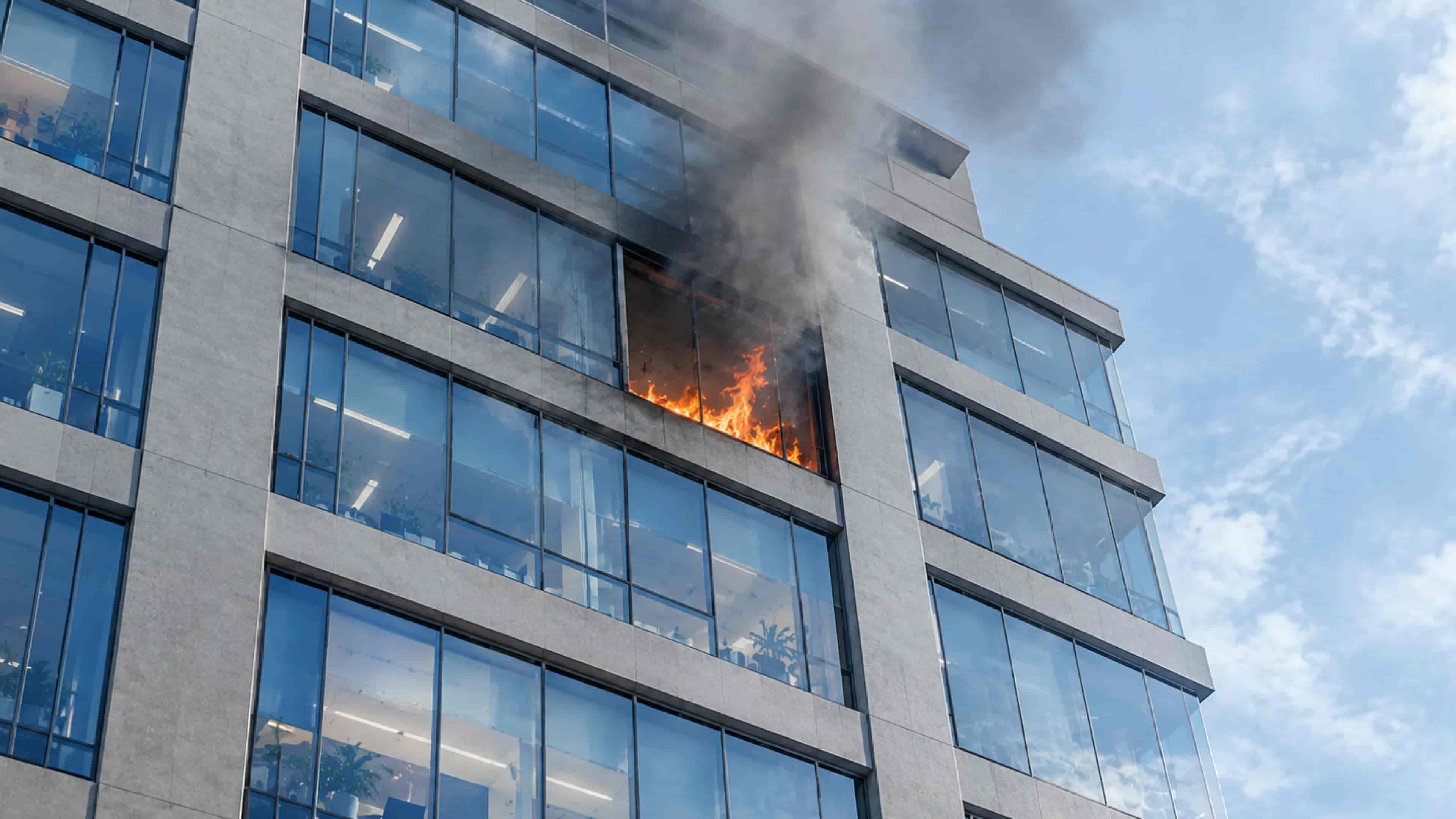
Fire insurance helps protect your property financially if it is damaged or destroyed by fire. Depending on the policy, the cover may also include other risks, such as lightning, explosions, storms, floods, earthquakes, riots, or malicious damage.
The exact protection depends on the policy terms, exclusions and coverage limits. If a covered event causes damage, the fire policy may compensate you for the loss, subject to the applicable conditions.
Property Insurance
Property insurance provides financial protection against losses or damage to buildings and their contents from covered risks.
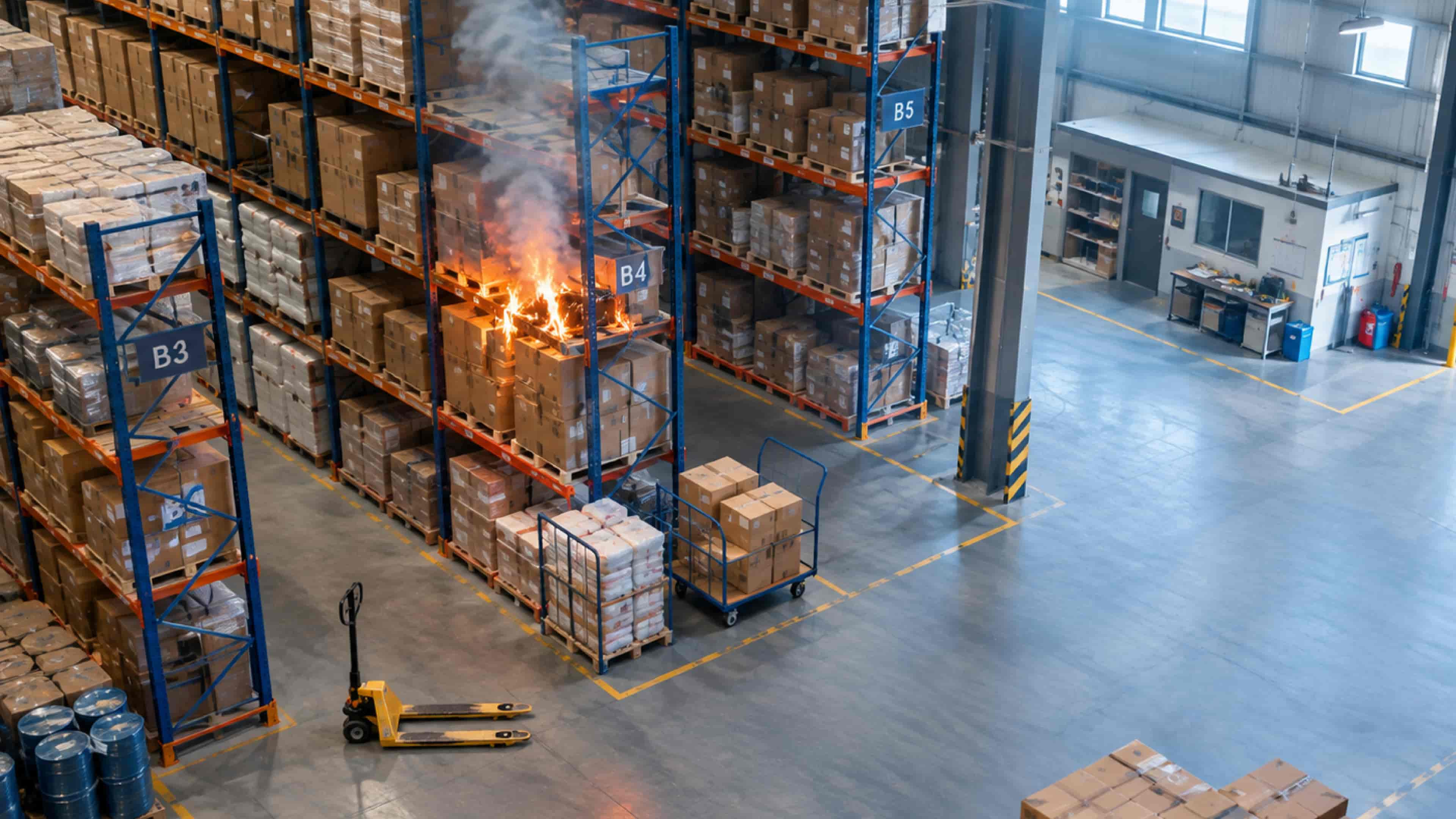
Commercial property insurance provides financial protection against losses or damage to business premises and assets caused by covered events. Depending on the policy, this protection may extend to buildings, machinery, furniture, fixtures, equipment and stock.
This protection can help property owners manage substantial repair or replacement expenses after a covered disaster.
Also Read: Difference between Fire Insurance and Property Insurance
How Fire and Property Insurance Can Protect Your Finances
Insurance can play an important role in reducing the financial consequences of unexpected property damage. Its benefits can extend beyond simply paying for repairs.
Helps Cover Property Repair and Reconstruction Costs
A natural disaster can leave a property needing much more than a few minor repairs. Roofs, walls, flooring, wiring, fixtures and other parts of the building may need attention. If the policy covers the damage, insurance can help pay for eligible repair or reconstruction costs.
Helps Replace Damaged Contents and Assets
Damage does not always stop at the building itself. Floods, storms, or fire can ruin furniture, appliances, electronics, machinery, equipment and stock. If these items are covered, insurance can help with their replacement. This can save property owners from paying the entire replacement cost themselves.
Helps Businesses Manage Disaster-Related Losses
For a business, property damage can affect much more than the premises. Damaged machinery, equipment, or stock can make it harder to resume normal operations. Fire insurance for commercial property can help cover eligible losses from specified events. This financial support can make it easier to get the business running again.
Helps Preserve Emergency Funds and Working Capital
A major repair bill can quickly eat into money kept aside for emergencies. Insurance can reduce what property owners have to pay out of pocket when the damage is covered. For businesses, this can also help keep working capital available for salaries, suppliers, daily expenses and other immediate needs.
Supports Financial Recovery After a Disaster
Getting back on your feet after a disaster can take time. Repairs may take weeks, while replacing equipment or restoring a business can take even longer. Insurance can help cover eligible costs during this period. The actual claim amount will depend on the coverage and policy conditions.
Also Read: Importance of Fire Insurance in India
Does Property Insurance Cover Natural Disasters?
Property insurance can cover certain natural disasters, but coverage depends on the selected policy. Property owners should not assume that every natural event automatically qualifies for compensation.
Which Natural Disasters Can Property Insurance Cover?
Natural disaster insurance coverage may include several risks when the policy specifically covers them. Common examples can include:
1. Floods: Damage to buildings, contents, and other insured assets caused by flooding.
2. Cyclones: Damage caused by strong winds, heavy rainfall, and other cyclone-related events.
3. Storms: Property damage resulting from severe storms and associated weather conditions.
4. Earthquakes: Structural damage and damage to insured contents caused by seismic activity.
5. Lightning: Damage caused by lightning strikes, including fires triggered by them.
6. Landslides or rockslides: Damage to insured property caused by falling rocks or shifting soil.
7. Fire: Damage to buildings, contents, and other insured assets resulting from fire incidents.
Please note: These are general examples of potential coverage. The actual coverage depends on your policy terms, inclusions, exclusions, and applicable conditions.
Why Choosing the Right Fire Policy Sum Insured Matters
The sum insured plays an important role in determining how much financial protection your property insurance can provide after a covered loss. Choosing the right amount can help you avoid paying a large part of the repair or replacement costs yourself.
Consider Rebuilding and Replacement Costs
Property owners should estimate the actual cost of rebuilding the structure and replacing important assets. The assessment should account for construction expenses, fixtures, equipment, furniture, machinery and other insured items.
Avoid the Risk of Underinsurance
Choosing a sum insured that is lower than the actual value of your property can leave you financially exposed. You may have to bear a significant portion of the remaining repair or replacement costs.
Review Your Coverage Regularly
Property values and business assets can change over time. Renovations, new equipment, increased stock, or other additions may increase your insurance needs. Regular reviews can help keep your coverage aligned with your current financial exposure.
Read More: Sum Insured in Fire Insurance: How to Determine It
What Does Fire and Property Insurance Not Cover?
- Excluded events: Policies do not cover every type of loss or disaster. Coverage applies only to the risks listed in the policy.
- Losses beyond coverage limits: Claims may not cover costs that exceed the applicable sum insured or policy limits.
- Deductibles: Policyholders may need to pay a specified portion of the claim from their own pocket.
- Sub-limits and conditions: Certain items or types of losses may have specific sub-limits or additional conditions.
- Claim requirements: Insurers may require specific documents, damage assessments and other information before processing a claim.
- Read the policy wording: Understanding exclusions, deductibles, limits and conditions beforehand can help avoid confusion during the claims process.
What to Do After Your Property Suffers Disaster Damage
Taking the right steps after a disaster can help protect both your safety and your claim.
- Prioritise personal safety: Leave unsafe areas and follow instructions issued by local authorities.
- Contact the insurer promptly: Inform the insurer about the damage through the given communication channels.
- Photograph and document the damage: Capture clear photographs and videos of affected property and assets.
- Preserve relevant documents: Keep invoices, ownership records, repair estimates and other supporting documents available.
- Avoid unnecessary disposal: Do not discard damaged items unless keeping them creates a safety risk.
- Cooperate with the surveyor: Provide required information and assist with the inspection and claims assessment process.
Following these steps can make the claims process more organised and efficient.
How to Choose the Right Property Insurance for Your Needs
Choosing property insurance starts with understanding what you own and the risks your property may face. Consider these factors before selecting a policy:
- Assess your property's location: Consider whether the property faces higher risks from floods, cyclones, earthquakes, or other disasters.
- Estimate rebuilding costs: Calculate realistic costs for rebuilding the property and replacing important assets.
- Identify valuable contents: List important household belongings, equipment, machinery, furniture, or business stock requiring protection.
- Compare policy features: Check coverage, exclusions, deductibles, limits and available add-ons.
- Choose the right sum insured: Select an amount that reasonably reflects your property's replacement value.
- Review your policy: Reassess your coverage after renovations, new purchases, or significant changes to your assets.
Conclusion
Natural disasters can disrupt your finances just as quickly as they damage your property. Having suitable insurance can make the recovery process less stressful by helping manage eligible repair and replacement costs.
TATA AIG offers insurance solutions to financially protect your property against specified risks. Our fire insurance policy can help you prepare for unexpected losses, subject to the applicable terms and conditions.
We make it easier to explore your options through fire insurance online, so you can choose coverage that suits your property and financial needs. For businesses, our fire insurance for commercial property can help protect eligible assets against covered risks.
Take a closer look at your property risks today and choose the protection that helps you stay financially prepared.
Disclaimer / TnC
Your policy is subjected to terms and conditions & inclusions and exclusions mentioned in your policy wording. Please go through the documents carefully.
Related Articles

Frequently Asked Questions
General
Is a fire insurance policy different from property insurance?

Fire insurance focuses on fire and specified allied perils. Property insurance can provide broader protection for buildings, contents and other insured property.
Does a fire policy cover the entire cost of disaster damage?
Insurance pays eligible losses according to the policy terms, sum insured, deductibles, exclusions and applicable coverage limits.
Can businesses purchase property insurance for their assets?
Yes, businesses can choose fire insurance for commercial property to insure eligible commercial buildings, machinery, equipment, furniture, fixtures and stock against specified risks.
What documents can help support a fire and property insurance claim?
Photographs, invoices, ownership records, repair estimates and other documents requested by the insurer can support the claims assessment.
Does fire insurance cover natural disasters?
The answer depends on the policy and the specific disaster peril included within its coverage. Coverage varies according to the policy selected, exclusions, limits and applicable conditions.
Business Insurance Key Terms