An Overview of Construction Safety Management Software
Construction sites operate in high-risk environments where even small lapses can lead to serious consequences. Businesses today seek smarter ways to monitor risks, improve compliance, and protect their workforce effectively. Using advanced construction safety management tools can help you with all these.
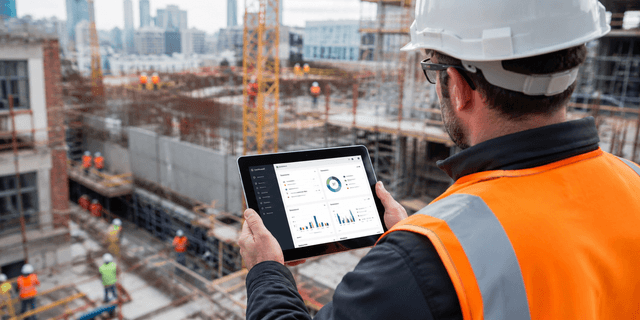
A well-designed construction safety management system assists in streamline processes and maintain consistent standards. It empowers teams with real-time insights, enabling faster decisions and stronger on-site accountability across every project stage.


Share this article

Secure your workforce today with the right labour insurance plan.
 Premium calculator(Requires manual entry. Mobile Number not required)
List of Content
 What is Construction Safety Management Software?
- Why Safety Management is Critical in the Construction Industry
- Key Features of Construction Safety Management Software
- Benefits of Using Construction Safety Management Software
- Industries and Projects That Benefit from Using Safety Management Systems
- Challenges in Implementing Safety Management Systems
- Best Practices for Choosing the Right Incident Management Software
- How Construction Safety Software Supports Risk Management and Insurance
- Conclusion
What is Construction Safety Management Software?
A construction safety management software helps companies manage safety practices on construction sites. It serves as a central safety management system that enables teams to record, track, and improve safety-related activities in real time. The main purpose of this software is to monitor risks, reduce accidents, and ensure that safety standards are followed at every stage of a project.
Construction safety software replaces manual paperwork, spreadsheets, and disconnected systems with a single, organised platform. Teams no longer need to rely on physical reports or delayed updates, which often lead to errors or missed risks.
For example, incident management software allows teams to report and analyse accidents or near-misses quickly. It also supports routine inspections, safety audits, and compliance monitoring with industry regulations. By using such tools, construction companies can improve decision-making, enhance worker safety, and maintain better control over site operations.
Why Safety Management is Critical in the Construction Industry
Protecting your workforce must always remain your absolute highest priority. Modern building projects bring incredible complexities and unique daily challenges. Implementing a robust safety framework ensures everyone returns home safely while keeping your project on track.
High-Risk Nature of Construction Sites: Construction sites operate in constantly changing environments, with multiple activities occurring simultaneously. Workers handle heavy materials, work at heights, and use complex equipment. The dynamic nature of this increases the chances of unexpected incidents and makes construction safety management a critical priority for every project.
Common Hazards on Site: Construction workers face several risks, such as falls from heights, machinery-related injuries, and electrical hazards. Slips, trips, and exposure to harmful substances are also common. Without proper safety management systems, these risks can quickly escalate into serious accidents and long-term health issues.
Legal and Compliance Requirements: Construction companies must follow strict safety regulations set by authorities. These rules ensure that workers operate in a safe and controlled environment. Failure by construction companies to meet compliance standards can lead to penalties, project delays, and legal complications for businesses.
Financial and Reputational Risks: Workplace accidents often result in operational downtime, medical expenses for workers, and compensation claims. These costs can impact project budgets. In addition, frequent safety incidents can damage workers' health and also a company’s reputation. It reduces trust among clients and stakeholders.
Impact on Productivity and Morale: A safe work environment builds confidence among workers and improves overall morale. When employees feel protected, they perform tasks more efficiently and with greater focus. Strong safety management systems and best practices also reduce disruptions, helping projects stay on schedule and improving overall productivity.
Key Features of Construction Safety Management Software
Incident Reporting and Tracking: Modern incident management software allows teams to report accidents and near-misses instantly from the site. It reduces delays and ensures quick action when issues arise. Such tools store everything in one place, so it becomes easier to spot patterns, understand what went wrong, and take steps to avoid similar incidents later.
Safety Audits and Inspections: Inspections become simpler when construction companies use digital checklists instead of paperwork. Workers can complete audits directly on their devices, even while on site. Construction safety software also sends timely reminders and organises reports, so important checks never get missed.
Compliance Management: Staying compliant with safety regulations can be complex and time-consuming. Safety management software simplifies this process by organising documents, tracking requirements, and generating reports. It helps businesses stay prepared for audits while ensuring compliance with all safety practices.
Risk Assessment Tools: Identifying risks early can prevent serious accidents on site. Risk management software helps teams assess potential hazards before work begins. It allows them to plan corrective actions and reduce exposure to danger. Such a proactive approach makes the workplace safer and improves overall project control.
Training and Certification Tracking: Keeping track of worker training is essential for maintaining safety standards. Worker safety software stores certification records and alerts managers when certifications are due for renewal. It ensures that every worker is qualified for their role, reducing the risk of errors caused by inadequate training.
Data Analytics and Reporting: Data-driven insights help companies improve safety strategies over time. Construction safety software collects site data and generates clear reports. These insights help identify trends, measure performance, and support better decision-making to achieve safer, more efficient project outcomes.
Benefits of Using Construction Safety Management Software
Improved Workplace Safety: Construction teams work better when safety becomes part of daily routines. A safety management system helps identify risks early and encourages quick action on-site. Workers stay more aware of their surroundings, which reduces accidents and injuries. A safer environment also builds trust and confidence among team members.
Better Compliance and Documentation: Managing safety records becomes much easier with everything stored in one place. Teams using incident management software can quickly access reports, inspection logs, and compliance documents whenever needed. Such an organised approach helps during audits and ensures that companies stay aligned with safety regulations without last-minute stress.
Increased Operational Efficiency: Manual processes often slow down work and create confusion. A safety management system simplifies daily tasks by automating reporting, inspections, and updates. Teams spend less time on paperwork and more time on actual work. As a result, projects move faster, and communication across teams improves.
Cost Reduction: Workplace incidents often lead to unexpected costs like medical expenses, penalties, and project delays. Construction safety management software helps reduce accidents, and, eventually, companies can avoid these financial setbacks. Fewer disruptions also mean less downtime, which keeps projects on track and within budget.
Enhanced Decision-Making: Access to real-time data allows managers to make informed decisions. The risk management software highlights patterns, risks, and performance gaps across projects. These insights help teams plan more effectively and refine safety strategies. Over time, this leads to more controlled and efficient project execution.
Industries and Projects That Benefit from Using Safety Management Systems
Infrastructure Projects: Infrastructure work often spans large areas and involves many teams. A safety system helps keep everyone aligned, reduces confusion, and ensures that basic safety practices are followed every day.
Real Estate Construction: Real estate projects often run on tight timelines and feature constant on-site activity. Safety systems help teams stay organised, manage risks better, and avoid delays caused by preventable accidents.
Industrial Projects: Industrial sites come with higher risks due to machinery and materials. A proper safety system helps teams stay alert, follow clear procedures, and reduce the chances of serious on-site incidents.
Road and Bridge Construction: Workers on roads and bridges deal with traffic, equipment, and changing weather. Safety systems help track risks and improve coordination, which keeps both workers and the public safer.
Large-Scale Commercial Developments: Large commercial projects involve many contractors working together. Safety systems help bring structure, improve communication, and ensure that safety standards remain consistent across all teams.
Challenges in Implementing Safety Management Systems
Resistance to Change: Teams often feel comfortable with existing processes and may hesitate to adopt new systems. Workers might see digital tools as complicated or unnecessary at first. This resistance can slow down implementation and affect overall adoption across the organisation.
Training Requirements: Employees need proper training to use the system effectively. Without clear guidance, teams may struggle to understand features and workflows. It can lead to errors or underuse of the system, reducing its overall impact on safety practices.
Initial Investment: Setting up a safety management system requires upfront costs for software, training, and setup. For some businesses, this may seem like a heavy expense. However, the long-term benefits often outweigh the initial financial commitment.
Integration with Existing Systems: Many companies already use multiple tools for operations and reporting. Integrating a new safety system with these existing platforms can be challenging. Poor integration may lead to data gaps or duplication of work.
Data Security Concerns: Safety systems store important project and employee data. Companies may worry about data breaches or misuse of information. Ensuring strong security measures and controlled access becomes essential while implementing such systems.
Best Practices for Choosing the Right Incident Management Software
User-friendly Interface: A clean, simple interface makes daily use much easier for on-site teams. Workers can quickly understand features without much guidance. Easy navigation reduces mistakes and helps teams report and track incidents without delays.
Customisation Options: Different projects come with different safety needs and workflows. Software should enable teams to easily adjust forms, reports, and processes. Flexible systems fit better into daily operations and support smoother safety management.
Mobile Accessibility: Most construction tasks take place on site, where quick access is essential. Mobile-friendly software allows workers to report incidents and complete tasks instantly. Quick updates improve response time and keep everyone informed throughout the day.
Integration Capabilities: Many companies already use multiple tools for managing projects and teams. Software that connects easily with existing systems reduces extra work. Smooth integration keeps data organised and avoids confusion across different platforms.
Vendor Support and Scalability: Strong vendor support helps teams solve issues without long delays. Growing businesses also need software that can expand with their needs. Scalable solutions ensure long-term use without frequent changes or disruptions.
Real-Time Reporting and Alerts: Quick reporting helps teams act before problems grow bigger. Instant alerts keep managers informed about incidents as they happen. Faster responses improve safety and reduce the chances of repeated issues on site.
Data Security and Access Control: Safety data often includes sensitive project and worker information. Secure systems protect this data from misuse or breaches. Controlled access ensures that only authorised people can view or manage important information.
How Construction Safety Software Supports Risk Management and Insurance
Construction safety software helps teams stay more careful and organised on site. When safety becomes part of daily work, accidents happen less often. Fewer incidents naturally reduce insurance risks and help businesses avoid frequent claims.
Clear and well-kept records also make a big difference during claim processing. Teams can quickly share details of incidents, inspections, and actions taken. It makes the process smoother and reduces unnecessary back-and-forth with insurers.
Insurance providers closely look at how a company manages safety before offering coverage. Strong safety records show that risks are under control. Insurance companies also guide businesses on improving safety practices. It creates a more supportive approach in which both sides work towards safer, more stable operations.
Conclusion
Investing in digital tools transforms how companies handle site hazards and protects every worker. While technology reduces physical risks, combining it with comprehensive labour insurance creates a truly secure environment. Your workforce deserves complete protection always.
At TATA AIG, we understand how important worker protection is for every project. Our workers compensation solutions are designed to support businesses during unexpected situations. A well-planned WC insurance policy helps cover medical costs and financial liabilities with ease.
We remain committed to safeguarding your business against unexpected operational disruptions. Our insurance solutions ensure that workers feel secure while businesses stay protected.
Connect with us today to explore the right WC policy coverage for your workforce.
Secure your workforce today with the right labour insurance plan.
Premium calculator(Requires manual entry. Mobile Number not required)Frequently Asked Questions (FAQs)
Is safety management software mandatory in India?

Safety management software is not legally mandatory in India. However, companies must follow strict safety regulations. Using such software helps businesses stay compliant, maintain records, and manage workplace safety more effectively.
Can safety management software reduce near-miss incidents over time?
Yes, it helps track near misses and identify recurring patterns. Teams can fix small issues early, reducing the risk that they will escalate into serious accidents later.
Can small construction companies benefit from incident management software?
Even small teams face safety risks daily. Software helps them stay organised, maintain records, and follow safety practices without adding extra workload or needing large administrative teams.
Does the safety management system help during government inspections?
Inspectors often ask for clear records and proof of compliance. Construction safety management software keeps everything organised and easy to access, making inspections smoother and reducing last-minute stress.
Read More
People also search for
labour insuranceworkmen compensation policy premium calculatorgroup health insurancegroup health insurance premium calculatorProfessional Indemnity InsuranceIndemnity LawyersIndemnity Insurance for Doctorsprofessional indemnity insurance for chartered accountantscompany secretary indemnity insuranceprofessional indemnity insurance for interior designersprofessional indemnity insurance for teachersprofessional indemnity insurance for it companiesEngineering InsuranceContractors Plant Machinery InsuranceErection All Risk InsuranceLiability InsuranceCyber InsuranceKey Insurance term
Transit Insurance OnlineMarine Cargo InsuranceMarine Freight InsuranceOpen Marine Insurance PolicyGroup Health CoverageWorkmen Compensation InsuranceLabour Insurance OnlinePI InsuranceFire And Burglary InsuranceBurglary Insurance PolicyFire Insurance Policy Shop Insurance PolicyTheft Insurance PolicyOffice Insurance Policymarine insurance premium calculatormarine sales turnover policycommercial property insuranceStandard Fire and Special Perils PolicyShare this article
Latest from our blogs

Safety Risks & Responsibilities Explained
Understand construction safety management risks and who holds responsibility on site for smarter decisions.
Read More
Construction Safety Equipment Guide Explained
Learn about the essential construction safety equipment every site should have on hand for smarter decisions.
Read More
Construction Safety Rules & Rules Explained
Understand the key construction safety rules and regulations every site must follow for smarter decisions.
Read More"Disclaimer: The content of this article is for general informational purposes only and is subject to change. It is based on information available at the time of writing.
Any insurance-related information given above cannot be interpreted as policy coverage. It should not be considered insurance, legal, regulatory, or other professional advice, or a substitute for the terms and conditions of your workmen compensation insurance policy.
Workmen compensation insurance coverage, benefits, exclusions, limits, eligibility criteria, and other applicable conditions are subject to the terms of the respective policy document. Please refer to the applicable policy document for complete details. Readers are advised to verify the latest information with the relevant authorities or official sources before making any decisions.
Any reference to workmen compensation insurance or TATA AIG is for general awareness only and does not constitute an offer, recommendation, or advice to purchase a workmen compensation insurance policy from TATA AIG. TATA AIG does not guarantee coverage for any specific claim, compensation, loss, liability, or situation based solely on the information provided in this article."