Factors to Choose the Right Construction Safety Equipment
Construction sites are among the most dangerous workplaces, with numerous occupational risks, including falls from heights, chemical spills, slippery surfaces, power machinery, heavy loads, and more. To protect their workers, developers and construction managers must implement various safety protocols and provide necessary construction safety equipment, such as gloves, boots and helmets.
Construction sites in India must comply with several regulations, such as the Building and Other Construction Workers’ Act (BOCW), 1996, and the Occupational Safety, Health and Working Conditions (OSHWC) Code, 2020. In this blog, we will discuss everything about safety equipment, essential tools and how to choose the correct equipment. Learn more.


Share this article

Support Your Workers’ Needs with TATA AIG’s Workmen Compensation Insurance
 Premium calculator(Requires manual entry. Mobile Number not required)

List of Content
 What Is Personal Protective Equipment?
- Importance of Safety Equipment at Construction Sites
- Types of Personal Protective Equipment in Construction
- How to Choose the Right Construction Safety Tools
- Checklist of Essential Workers’ Safety Gear
- Essential Tips for Choosing Construction Safety Equipment
- Conclusion
What Is Personal Protective Equipment?
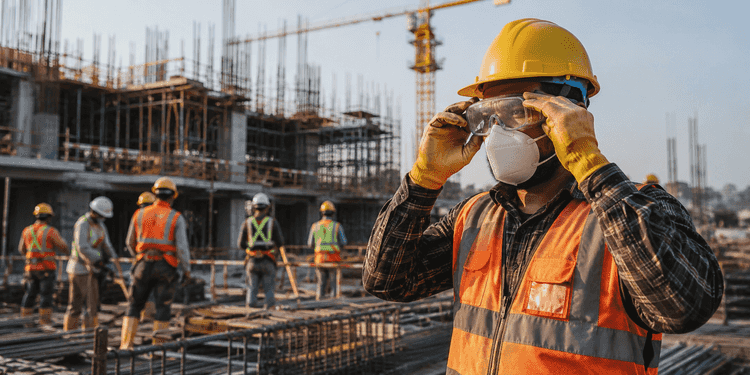
Personal protective equipment or PPE are specialised garments, apparel and equipment worn by workers to minimise the risk of serious injuries and illnesses. These are life-saving equipment that protect workers from chemical, physical, electrical, mechanical or other worksite hazards. Common PPE items at construction sites include hard hats, safety glasses, face shields, respiratory masks, earplugs and full-body suits.
All personal protective equipment in construction sites must be safe, reliable, defect-free and sanitised. To comply with legal requirements, employers should provide PPE that protects their workers from injuries and impairment. They must also ensure that PPEs used at worksites are properly maintained and inspected. All protective equipment must comply with Indian Standards (e.g., IS 2925:1984 or IS 5983:1980) and fit each worker.
Importance of Safety Equipment at Construction Sites
Since construction sites are synonymous with many hazards, employers must secure the safety of their workers by providing safety equipment and tools. Moreover, there are legal requirements. In India, employers are responsible for providing construction safety equipment as per the BOCW Act, 1996 and OSHWC Code, 2020. Here’s why providing such equipment and gear is necessary:
High-Risk Nature of Work: According to the International Labour Organisation, construction workers are 3-6 times more likely to meet fatal accidents than other workers. The very high-risk nature of the work increases the chances of worker fatalities, creating the need for PPE at construction sites.
Lowers Worker Injuries: Injuries and illnesses of workers lead to project disruptions and major losses for employers. Construction workers who don’t use PPE are much more likely to suffer from workplace injuries. By providing safety tools and PPE at construction sites, worker injuries can be lowered significantly.
Ensures Legal Compliance: Several Indian laws, like the Building and Other Construction Workers’ Act, 1996, and the Occupational Safety, Health and Working Conditions Code, 2020, mandate the use of PPE for certain construction work. Adherence to these safety
Types of Personal Protective Equipment in Construction
Construction sites require a wide variety of safety equipment and gear to address multiple hazards. Depending on the type of hazard faced by the workers at construction sites, the following types of PPE are needed to minimise accidents and injuries:
Head Protection: All construction sites require head protection, even for visitors, due to falling hazards. Hard hats and safety helmets are used to protect one’s head against falling objects, debris, impact with objects and electrical shocks. Hard hats are essential for protection against high-impact hits, while bump caps and safety helmets for construction protect against scrapes and bumps.
Eye and Face Protection: Eye and face safety tools, such as goggles and face shields, protect workers from flying debris, dust, small particles and chemical splashes. They are required for activities like drilling and grinding at construction sites. Welding glasses are used to protect the eyes from the high brightness of an acetylene torch.
Hearing Protection: Construction sites are loud environments where certain activities, like heavy machinery use and demolition work, require specialised ear protection gear. Earplugs and earmuffs protect these workers from long-term hearing loss when working in loud environments. Earplugs are the basic option for reducing moderate noise levels, while earmuffs provide complete hearing protection.
Protection for Hands and Feet: Workers dealing with sharp objects like saws and grinding machinery need specialised hand and foot protection. Safety gloves for construction workers can include cut-resistant steel gloves or chemical-resistant latex gloves. Meanwhile, safety shoes and boots, including steel-toe boots and slip-resistant boots, protect workers’ feet from falling objects and debris and provide traction on uneven surfaces.
Respiratory Protection: Construction workers are often exposed to dust, fumes and chemical hazards that can damage their lungs. Long-term exposure to these substances can be devastating to a worker’s health. Respiratory protection can include anything from simple disposable masks for light dust protection to N95 masks and respirators for complete respiratory protection.
Also Read: Most Important Construction Safety Issues
How to Choose the Right Construction Safety Tools
Given the large number and types of PPE available for construction, developers and managers need to carefully consider what equipment is best for their worksite. Follow these steps to get the most appropriate construction safety equipment for your project:
Step 1: Hazard Assessment at Worksite: Before you shortlist the PPE needed for your worksite, you need to conduct a hazard assessment. Identify the biggest hazards at your construction site, including the risk of falling objects, loud noises, sharp tools and toxic chemicals. A safety inspector should be appointed to identify hazards using surveys, discussions with workers, statistics, detailed process knowledge, etc.
Step 2: Identifying Affected Workers: Not all workers are exposed to the same risks; for example, carpenters are more exposed to wood dust and heavy loads, while plumbers face the risk of contaminated water and welding fumes. To avoid unnecessary construction safety equipment, make a list of workers and their occupational hazards. Then, determine the potential for injuries, hazard risks and safety requirements based on your analysis.
Step 3: Risk Assessment: Conduct a detailed risk assessment and assign a risk rating of low, medium or high based on the likelihood and consequences of construction hazards. Based on the hazard identification and risk review, determine a set of safety protocols for your workers and implement short-term and long-term controls, including prevention and PPE. Let’s say you identify fall hazards as a top priority for risk mitigation. Short-term (worker-level) measures may include harnesses, lanyards and ropes, while long-term measures may include installing guardrails and protected floor openings.
Step 4: Risk Control Techniques: Once you have analysed the risks, you should follow a structured plan to prevent, eliminate and mitigate the hazards faced by workers. Hazards can be physically removed or replaced with a safer alternative. Moreover, you can redesign high-risk processes, use automation for dangerous tasks and use barriers like guardrails for heavy machinery or curtains for welding and workers’ safety gear like gloves and boots.
Step 5: Choosing the Right PPE: A trained construction manager should select personal protective equipment for each of the hazards faced by workers. Workers working with chemicals like sealants and paints must have chemical-resistant gloves, goggles and respirators, while labourers should have hard hats and steel-toe boots. While procuring PPE, it’s essential to find properly fitted gear for each worker to avoid the risk of accidents or negatively impacting productivity.
Step 6: Training and Maintenance: It’s as important to train workers to use and maintain their construction safety tools as it is to provide them. Workers should know when and where to use their equipment, when not to use it and follow recommended ways to clean and maintain it. Regular inspections should be conducted by supervisors to ensure all safety tools are properly maintained.
Checklist of Essential Workers’ Safety Gear
The following are some of the most essential safety gear and equipment that should be present in every construction site:
Hard Hats: These helmets have a hard outer shell made from high-density polyethylene (HDPE), designed to distribute the force of impacts. They protect the wearer’s head from falling and puncture hazards.
Safety Goggles: These protect the eyes from dust, flying debris, chemicals and intense light. There are many different types of safety glasses, including shatterproof lenses, splash safety goggles and full face shields.
Gloves: Workers can wear cut-resistant, chemical-resistant or thermal safety gloves for construction when exposed to chemical, heat or puncture hazards. They can also wear multi-purpose heavy-duty gloves for abrasive and chemical protection.
Mask and Respirators: Can include simple cloth masks, disposable masks, gas masks, N95 masks and advanced respirators that filter small particulate matter.
Safety Footwear: For impact and falling object protection, workers can wear steel or composite-toe safety shoes for construction work. Safety footwear can also include slip-resistant soles, waterproof boots and shoes with electrical hazard (EH) ratings.
Earplugs or Earmuffs: Ear protection equipment includes either earplugs, which fit into the ear and reduce moderate noise, or earmuffs, which enclose the entire ear and provide complete hearing protection.
Essential Tips for Choosing Construction Safety Equipment
Here are some effective tips to ensure optimal protection for workers’ health and safety with properly maintained safety equipment:
Conduct Regular Inspection and Maintenance: Establish a protocol to inspect each worker’s safety equipment. Supervisors should check for signs of cracks, tears or other damage. Employers should also replace damaged equipment and ensure that workers are trained not to accidentally damage their equipment.
Proper Cleaning and Storage: Personal protective equipment needs to be cleaned after every use to maintain hygiene and sanitation standards. Proper standards should be followed to avoid damaging safety equipment. PPE should be stored in clean, dry and covered areas away from sunlight, rain, mould or extreme temperatures.
Ensure Comfortable Fittings: Personal protective equipment for construction workers needs to be comfortable and fit securely to function effectively. The management should keep a stockpile of PPE like safety masks, gloves and boots of various sizes and encourage workers to report ill-fitting equipment to get them replaced.
Create a Culture of Safety: For any construction manager, creating a culture of safety should be a top priority. Every worker should be trained to report violations of safety procedures and malfunctioning equipment, with everyone held responsible for ensuring safety and keeping open communication.
Evaluate Safety Practices Regularly: Construction site managers should regularly inspect the worksite, identify hazards, conduct risk management and check PPE requirements. Protective equipment evaluation should determine whether the PPEs being used comply with the national code and pass effectiveness tests.
Also Read: Tips to Improve Construction Site Safety
Conclusion
Maintaining a culture of safety and health ensures minimal disruptions, job satisfaction for workers and minimal chances of injuries and accidents. Using properly maintained construction safety equipment keeps your skilled workers safe from physical, chemical and mechanical hazards and keeps productivity high. Depending on the type of your construction site, you need to have certain PPE and safety gear to keep your workers safe.
Despite your best efforts to keep construction safe, certain risks are unavoidable when running a construction or developer business. Commercial insurance policies, such as fire and burglary insurance, shop insurance and office insurance, can help businesses mitigate losses from unforeseen situations. Workers’ compensation insurance is another beneficial risk mitigation product that covers the liabilities of business owners against workers’ injuries and accidents.
TATA AIG’s Workmen Compensation Policy covers medical expenses, lost wages and permanent disability of workers. The WP Policy is an affordable plan that supports employees in need while covering your financial liabilities and legal expenses. This also protects your business’s reputation as a dependable employer.
Support Your Workers’ Needs with TATA AIG’s Workmen Compensation Insurance
Premium calculator(Requires manual entry. Mobile Number not required)Frequently Asked Questions
What are some common problems regarding PPE usage in construction?

Non-compliance and resistance to PPE usage among workers are quite common due to misunderstandings about their necessity and restrictions on daily work. Budgetary constraints are another prominent issue, as workers may get low-quality safety gear that is too uncomfortable for daily usage.
What is construction safety equipment for fall hazards?
To mitigate against injuries and fatalities from fall hazards, construction workers use lanyards, ropes and full-body safety harnesses. A fall restraint system uses a harness and lanyard to secure an employee to a safe anchorage and prevent a fall. A fall arrest system physically limits a free fall from an elevated level using lanyards, connectors and anchorage.
What are essential safety tools for welding workers?
Welding workers need welding shields and goggles that protect their eyes and face from infrared and visible light and sparks. They should also wear heat-resistant gloves, leggings and apron/full-body suits to protect themselves from heat and open flame.
What are the common PPE used for electrical work?
For electrical work at construction sites, the most common PPEs include insulated heavy rubber gloves, safety shoes, rubber insulating blankets, safety helmets, EH-rated safety shoes, face shields, and flame-resistant coats.
Read More
Key Insurance term
Fire InsuranceHealth Insurance for EmployersWC PolicyBusiness Indemnity InsuranceLiability InsuranceShop InsuranceTransit InsuranceCyber InsuranceOffice InsuranceLabour InsuranceIndemnity Insurance For DoctorsBurglary InsuranceCargo InsuranceFreight InsuranceFire And Burglary InsuranceTheft InsuranceCommercial Property InsuranceContractors All Risk InsuranceStandard Fire And Special Perils PolicyIndemnity LawyersErection All Risk InsuranceEngineering InsuranceMarine Open PolicyContractors Plant Machinery InsuranceGroup Health Insurance Premium CalculatorWorkmen Compensation Policy Premium CalculatorMarine Insurance Premium CalculatorShare this article
Latest from our blogs
Construction Safety Gear Guide Explained
A complete guide to construction safety gear every worker needs on an active job site for smarter decisions.
Read More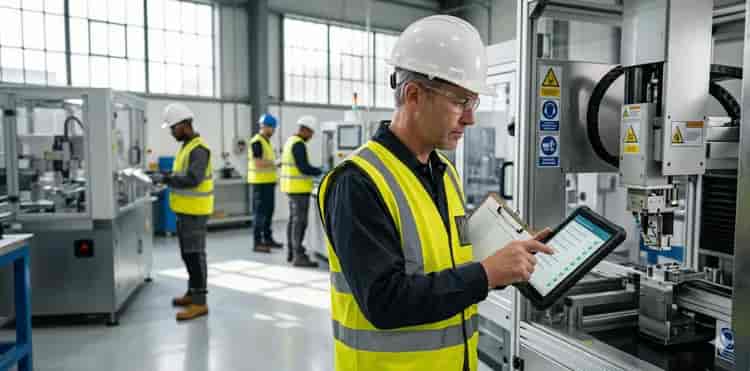
Common Construction Safety Issues Explained
Learn about common construction safety issues and how employers can address them early for smarter decisions.
Read More
Construction Safety Rules & Rules Explained
Understand the key construction safety rules and regulations every site must follow for smarter decisions.
Read More"Disclaimer: The content of this article is for general informational purposes only and is subject to change. It is based on information available at the time of writing.
Any insurance-related information given above cannot be interpreted as policy coverage. It should not be considered insurance, legal, regulatory, or other professional advice, or a substitute for the terms and conditions of your workmen compensation insurance policy.
Workmen compensation insurance coverage, benefits, exclusions, limits, eligibility criteria, and other applicable conditions are subject to the terms of the respective policy document. Please refer to the applicable policy document for complete details. Readers are advised to verify the latest information with the relevant authorities or official sources before making any decisions.
Any reference to workmen compensation insurance or TATA AIG is for general awareness only and does not constitute an offer, recommendation, or advice to purchase a workmen compensation insurance policy from TATA AIG. TATA AIG does not guarantee coverage for any specific claim, compensation, loss, liability, or situation based solely on the information provided in this article."