Tips to Improve Construction Site Safety
The construction industry plays a vital role in infrastructure development, but it also remains one of the most high-risk work environments. From working at heights and operating heavy machinery to handling electrical systems and hazardous materials, construction sites present multiple safety challenges every day. Without clearly defined construction safety rules, even minor oversights can lead to serious injuries, costly project delays and legal complications.
Implementing well-structured construction site safety rules is not just about regulatory compliance. It is about creating a secure and responsible work environment where workers feel protected and projects move forward without disruption. Strong safety planning reduces accidents, improves productivity and enhances overall site discipline.
In this blog, we will explore practical and effective construction site safety tips that businesses can implement to strengthen on-site protection. By following essential site safety rules and adopting proactive measures, companies can build safer workplaces while also ensuring long-term operational stability.


Share this article

Choose Comprehensive WC Plans to Safeguard Your Construction Workforce with TATA AIG!
 Premium calculator(Requires manual entry. Mobile Number not required)
List of Content
 Why is Construction Workplace Safety Crucial
- Important Tips to Improve Construction Site Safety
- Conclusion
Why is Construction Workplace Safety Crucial
Construction projects operate in fast-paced and physically demanding environments where even a small lapse in judgment can result in serious consequences. Heavy machinery, elevated work areas, electrical installations and constant material movement create multiple risk points. This is why construction workplace safety must never be treated as a secondary concern. It is a fundamental responsibility for contractors, site managers and business owners alike.
Ignoring structured construction safety rules can lead to workplace injuries, long-term health issues and, in severe cases, fatalities. Beyond the human cost, accidents can halt projects, trigger regulatory penalties and increase compensation expenses. Delays caused by safety incidents often disrupt timelines, inflate budgets and strain client relationships. In an industry driven by deadlines and precision, such setbacks can significantly impact profitability.
Strong workplace safety construction practices also improve workforce morale and productivity. When workers feel secure and confident that proper construction site safety rules are in place, they are focused, efficient and committed to quality work. A safe site reduces absenteeism, minimises disputes and builds trust between employers and employees.
Ultimately, investing in structured safety measures in construction site operations is not just about compliance. It is about protecting lives, safeguarding business continuity and strengthening long-term project success.
Also Read: 5 Safety Measures to Take to Ensure Workers’ Safety
Important Tips to Improve Construction Site Safety
Conduct Regular Risk Assessments and Site Inspections
A proactive approach is central to effective construction safety rules. Before starting any project, contractors should conduct a detailed risk assessment to identify potential hazards related to the site, equipment, materials and workforce. Factors such as terrain, weather, structural design and nearby utilities can significantly affect safety conditions. Identifying these risks early allows teams to implement appropriate safety measures in construction site operations.
Risk assessment must continue throughout the project lifecycle. As construction progresses, new hazards may arise during excavation, structural work or installations. Regular inspections ensure that emerging risks are addressed without delay. Supervisors should monitor scaffolding stability, machinery condition, electrical systems and PPE compliance.
Proper documentation of inspections and corrective actions strengthens accountability and reinforces structured site safety rules. Continuous evaluation not only enhances construction workplace safety but also prevents costly disruptions, ensuring smoother project execution and better protection for everyone on site.
Enforce Clear and Written Site Safety Rules
Clearly documented construction site safety rules are essential for maintaining order and preventing avoidable accidents. Verbal instructions alone are not enough in high-risk environments like construction sites. Every project should have written site safety rules that outline acceptable practices, mandatory protective equipment, restricted zones and emergency procedures.
These construction safety rules should be displayed prominently across the site, including entry points, common work areas and high-risk zones. When expectations are clearly communicated, workers and subcontractors are more likely to comply consistently. It also ensures that new team members can quickly understand the safety standards required on-site.
Supervisors play a critical role in enforcing these policies. Regular monitoring, immediate correction of unsafe behaviour and consistent disciplinary measures help reinforce accountability. Strict enforcement strengthens overall construction workplace safety and reduces the likelihood of negligence.
By formalising and consistently applying written guidelines, businesses create a structured framework that supports long-term workplace safety construction, minimises incidents and ensures smoother project execution.
Provide Comprehensive Worker Training
Comprehensive training is a cornerstone of effective construction workplace safety. Every worker, whether permanent staff or subcontractual labour, should undergo mandatory safety induction before entering the site. This ensures they understand the applicable construction safety rules, potential hazards and emergency procedures from day one.
Beyond basic orientation, task-specific training is equally important. Workers handling heavy machinery, electrical systems, scaffolding or hazardous materials must receive specialised instruction and certification where required. Proper training reduces human error, which is one of the leading causes of site accidents, and strengthens overall workplace safety construction standards.
Regular refresher sessions and daily toolbox talks further reinforce key safety practices. These brief discussions allow supervisors to highlight specific risks related to ongoing tasks and remind workers of essential safety precautions for construction site activities. Encouraging open communication during these sessions also enables workers to report unsafe conditions without hesitation.
By investing in structured and continuous learning, companies not only comply with construction site safety rules but also build a skilled, confident workforce committed to maintaining high safety standards throughout the project lifecycle.
Ensure Proper Use of Personal Protective Equipment (PPE)
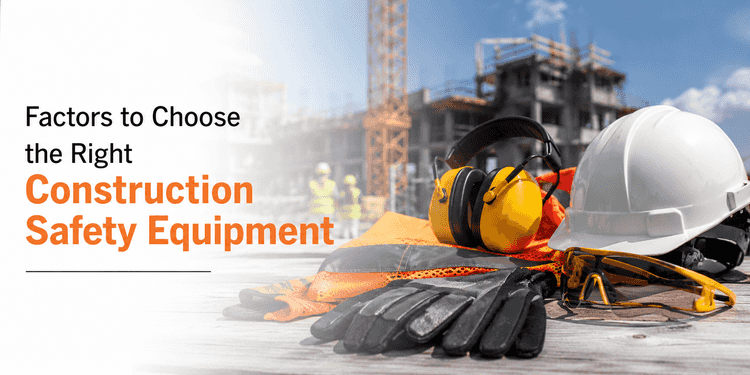
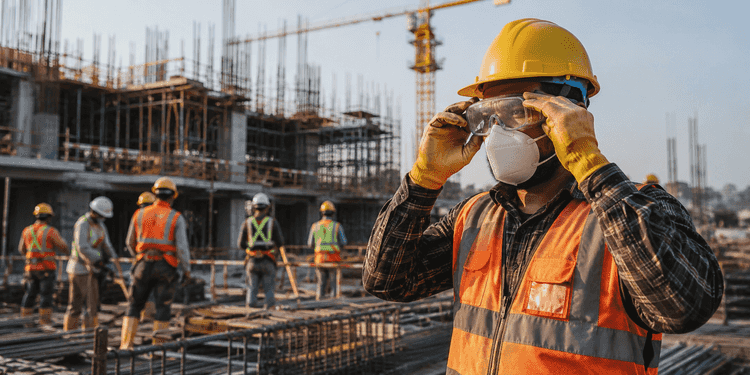
Personal Protective Equipment (PPE) is one of the most basic yet essential safety precautions for construction site operations. Helmets, safety harnesses, gloves, protective eyewear, reflective vests and steel-toe boots help minimise injuries caused by falling objects, sharp materials, electrical hazards and slips.
Strict adherence to construction site safety rules should make PPE mandatory in designed work zones. Simply providing equipment is not enough. Supervisors must ensure that workers wear and maintain it properly at all times. Damaged or worn-out gear should be replaced immediately to maintain effectiveness.
Also Read: Contractors All Risks Insurance Policy
Implement Strong Fall Protection and Height Safety Measures
Falls are among the leading causes of injuries on construction sites, making height safety a critical part of construction safety rules. Whether workers are operating on scaffolding, ladders or elevated platforms, proper fall protection systems must be in place before work begins.
Guardrails, safety nets and edge protection barriers are essential building construction safety measures that reduce the risk of accidental slips. Workers performing tasks at heights should use certified safety harnesses and lifeline systems as part of standard safety measures in construction sites. Scaffolding must be assembled and inspected by trained personnel to ensure stability.
It is crucial to allow only authorised entry to high-risk zones. By enforcing strict height-related construction site safety rules, companies can significantly reduce serious injuries and strengthen overall construction workplace safety on site.
Financial Protection and Risk Management
Even with strict construction safety rules and proactive planning, unforeseen incidents can still occur on-site. Accidents may lead to medical expenses, compensation claims and project disruptions that place financial strain on contractors. This is why risk management must extend beyond physical safety measures in construction site operations.
One of the most important safeguards for employers is a workman policy, which provides financial protection in case a worker suffers injury, disability or death due to workplace accidents. Such coverage helps businesses meet statutory compensation obligations while protecting cash flow and project continuity. It also demonstrates a commitment to responsible construction workplace safety practices.
By combining preventive construction site safety rules with adequate insurance coverage, businesses can create a balanced safety framework. Operational controls reduce risks, whereas financial protection ensures business stability, strengthens workforce trust and supports long-term sustainability in high-risk construction environments.
Also Read: Strategies to Prevent Accidents in the Manufacturing Industry
Conclusion
Improving site discipline, enforcing construction site safety rules and applying practical construction safety tips are key to creating a safer and more efficient work environment. Regular risk assessments, proper worker training, correct PPE usage and reliable fall protection systems all play an important role. When these measures are implemented consistently, they help reduce workplace accidents, minimise project delays and support smoother day-to-day operations on site. A strong safety culture not only protects lives but also enhances operational efficiency and long-term profitability.
However, even the most robust construction workplace safety systems cannot eliminate every risk. This is where a reliable Workmen Compensation Policy becomes crucial. A structured policy ensures that employees receive timely financial support in case of workplace injuries while helping businesses meet statutory obligations without hampering the cash flow.
In addition to preventive controls, having a well-structured workman policy or workers comp insurance, strengthens your overall risk management framework. With TATA AIG, businesses can secure tailored insurance for labour coverage solutions designed to support compliance and protect their workforce. Safeguard your construction projects today by choosing TATA AIG today!
Choose Comprehensive WC Plans to Safeguard Your Construction Workforce with TATA AIG!
Premium calculator(Requires manual entry. Mobile Number not required)Frequently Asked Questions
How often should construction site safety audits be conducted?

Construction site safety audits should ideally be conducted at regular intervals, depending on the size and complexity of the project. In addition to scheduled audits, surprise inspections can help ensure continuous compliance with construction safety rules. Audits should review equipment condition, worker practices, documentation, and emergency preparedness to maintain consistent safety standards.
Who is responsible for enforcing construction site safety rules?
Primary responsibility lies with the employer or principal contractor. However, site managers, supervisors and safety officers play a direct role in monitoring compliance. Workers also share responsibility by following prescribed safety precautions for construction site activities and reporting hazards promptly.
Can small contractors benefit from workers comp insurance?
Yes, even small contractors face significant financial risk from workplace injuries. Workers comp insurance helps cover medical costs, compensation claims and legal liabilities, ensuring business continuity and regulatory compliance.
Key Insurance term
Share this article
Latest from our blogs
Scaffolding Safety for Construction Explained
Key scaffolding safety tips every construction crew should follow to prevent site accidents before you decide.
Read More
Common Construction Site Hazards Explained
Learn about the most common hazards found on construction sites and how to manage them for smarter decisions.
Read More
Role of Insurance in Construction Explained
Learn the role insurance plays in protecting workers and projects on a construction site before you decide.
Read More"Disclaimer: The content of this article is for general informational purposes only and is subject to change. It is based on information available at the time of writing.
Any insurance-related information given above cannot be interpreted as policy coverage. It should not be considered insurance, legal, regulatory, or other professional advice, or a substitute for the terms and conditions of your workmen compensation insurance policy.
Workmen compensation insurance coverage, benefits, exclusions, limits, eligibility criteria, and other applicable conditions are subject to the terms of the respective policy document. Please refer to the applicable policy document for complete details. Readers are advised to verify the latest information with the relevant authorities or official sources before making any decisions.
Any reference to workmen compensation insurance or TATA AIG is for general awareness only and does not constitute an offer, recommendation, or advice to purchase a workmen compensation insurance policy from TATA AIG. TATA AIG does not guarantee coverage for any specific claim, compensation, loss, liability, or situation based solely on the information provided in this article."