How to Avoid Common Construction Site Hazards
India’s construction industry is one of the largest sectors of employment, providing livelihood to a significant workforce across the country. However, it is also widely recognised as one of the most hazardous industries, where workers are regularly exposed to risks such as on-site accidents, unsafe working conditions, and demanding physical labour. The Indian Government has thus instituted several rules and regulations to reduce construction site hazards and unsafe working conditions.
Since violating the law leads to heavy penalties and project shutdowns, construction companies and developers need to be aware of life-threatening construction hazards. They are responsible for removing these hazards, providing safety equipment to the employees and training them to prevent workplace accidents and deaths. In this blog, we cover all the common hazards in construction sites, precautions and safety regulations in India.


Share this article

Empower Your Workforce with TATA AIG’s Workmen Compensation Insurance
 Premium calculator(Requires manual entry. Mobile Number not required)
List of Content
 Construction Site Hazards Explained
- Common Hazards in Construction Sites and Ways to Avoid
- Importance of Health and Safety in Construction
- Construction Safety Regulations in India
- How to Implement Safety Measures on Construction Sites?
- Conclusion
Construction Site Hazards Explained
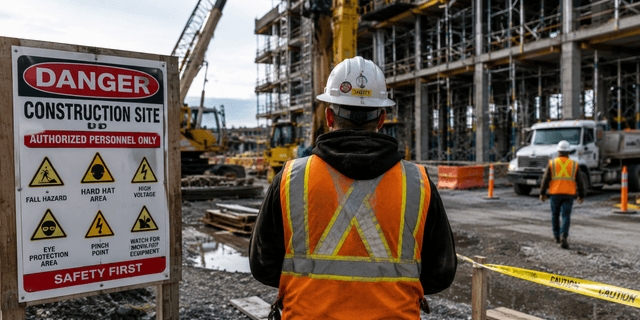
Construction is inherently dangerous due to the high-risk nature of the work. Construction workers often need to use large and complex machinery, handle toxic materials and be exposed to a high-risk environment. Construction hazards include a wide variety of threats and risks, including heavy loads, falling objects, collapsing walls, electrocution, adverse weather conditions, large and heavy objects, dust and vapours, noise and vibrations, etc. A combination of a high-risk environment, lack of safety practices and inadequate medical facilities leads to frequent injuries and fatalities in India. The construction sector is mostly unorganised and one of the largest employers of rural migrants living in cities.
Over the years, the Indian Government has introduced several regulations to address hazards in construction sites. The Building & Other Construction Workers Act, 1996, was one of the first dedicated legislations made to address the needs of construction workers. Registered workers are entitled to medical assistance, accident support, pension benefits and other social security measures.
Common Hazards in Construction Sites and Ways to Avoid
The type of construction hazards present at a worksite depends on the nature of the site and work, and workers’ equipment and facilities. The following are some of the most common worksite hazards in construction:
High Heights Working at high heights is a common cause of worker injuries. Unguarded ledges, slippery surfaces and a lack of railings can lead to fall injuries. Many of these accidents are preventable with a few safety precautions, like putting up hazard signs and installing guardrails.
Getting Struck by Objects Injuries from getting struck by moving or falling objects, vehicles and machinery are also common. Struck-by incidents from heavy machinery have a high chance of workplace fatalities. Having a vigilant supervisor, warning systems and doing adequate safety planning can prevent these incidents.
Electrocution Electrical accidents and electrocutions are unfortunately common construction site hazards. Exposure to live wires, loose overhead cables and improper usage of power equipment increases the risk of electrical burns and accidents. A construction site needs to have electrical safety equipment, provide insulated tools and conduct comprehensive training to avoid such incidents.
Slips and Trips Slipping and tripping hazards can appear in any environment. Having uneven surfaces, especially those designed as walkways, obstacles, including unused materials and unfinished construction, trailing cables and wet surfaces, are common construction hazards. Thousands of workers are injured every year due to avoidable slips and trips.
Asbestos Asbestos is not fully banned in India. Workers involved in construction, demolition, and handling of asbestos-containing materials face a higher risk of exposure. Globally, asbestos exposure is estimated to cause over 2,00,000 occupational deaths every year, highlighting its significant health impact.
Material Handling Improperly handling equipment and materials carries various risks for workers. Manual handling exposes workers to the risk of strains, sprains and musculoskeletal disorders. On the other hand, the use of lifting equipment requires necessary safety precautions at construction sites. Adequate training and lifting equipment can prevent workplace injuries.
Noise Exposure Noise at construction sites can be more than a nuisance. Long-term exposure to load and excessive noise leads to stuffed-up ears, ringing in the ears (tinnitus) or permanent hearing loss. To prevent deafness among workers, the employer can provide ear protection and limit noise exposure.
Also Read: Most Important Construction Safety Issues
Importance of Health and Safety in Construction
Addressing and eliminating construction site hazards is synonymous with preventing workplace injuries and liabilities as an employer. It’s also a legal requirement in India under various legal provisions. Here are the top reasons to maintain high health and safety standards at your worksite:
It Saves Lives: Implementing even basic health and safety measures saves workers from injuries and fatalities. Due to the inherent risks of the construction industry, implementing safety measures is essential to keep your skilled workers safe.
Fostering a Safety Culture: Building a culture of safety significantly lowers the chances of injuries and accidents for everyone. With genuine commitment and active participation from all stakeholders, a safe worksite can boost morale, worker productivity and lower costs.
Fewer Disruptions: A safe construction workplace boosts productivity by improving workers’ morale and lowering downtimes and disruptions. By strictly adhering to construction workplace safety protocols, you can reduce accidents and injuries and ensure a smooth workflow that leads to timely project completions.
Boosts Cost Savings: There are huge financial benefits to preventing workplace injuries and accidents. Full-time construction workers put in far longer hours than injured or sick workers. Moreover, liabilities and workers' compensation costs due to workers’ injuries can be a substantial burden on a business.
Improves Legal Compliance: Businesses that don’t adhere to state and national labour laws can incur significant penalties and liabilities, as well as lose their trade/construction licences. With many states seriously enforcing safety standards for construction work, health and safety have become a strategic investment for developers.
Construction Safety Regulations in India
Over the years, India has introduced several legislations, including labour laws, factory conditions and other regulations. Here is a brief overview of the applicable laws:
Factories Act, 1948: The Factories Act was meant to improve working conditions in factories and prevent worker exploitation across different industries, including construction. It mandates various safety measures, including fire safety, machine guards and first-aid facilities.
Building and Other Construction Workers Act, 1996: The BOCW Act is a comprehensive law that regulates construction activities, employment conditions and safety standards for construction work. The Act is implemented with specific rules in each state with local provisions. It mandates the presence and use of protective gear, safe working conditions, and housing and healthcare benefits for workers.
Occupational Safety, Health and Working Conditions Code, 2020: The OSHWC Code consolidates various labour laws and various construction safety standards, simplifying safety regulations across various industries. It mandates various employer obligations, such as providing training and keeping records of employee accidents/injuries, and creates uniform safety standards across different sectors.
Other Important Regulations: This includes the Contract Labour Act, 1970, which provides just working conditions for contract labourers on par with salaried employees. Minimum wages are mandated across India for scheduled employment with the Minimum Wages Act, 1948. Finally, the Workmen Compensation Act, 1923 requires employers to provide compensation for workplace injuries and accidents.
How to Implement Safety Measures on Construction Sites?
It’s possible to stay safe on construction sites and avoid worker injuries and subsequent liabilities. Here are the steps to implement workplace safety in construction sites:
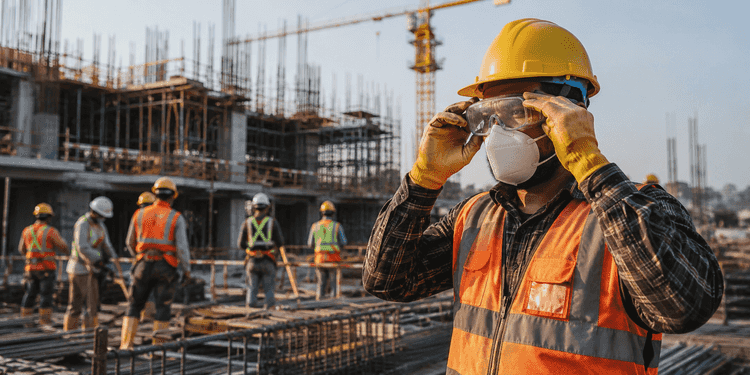
Step 1: Wear Protective Gear Equipping your workforce with personal protective equipment (PPE) is a way of directly increasing protection to the face, eyes and limbs. Safety glasses, hard hats, puncture-resistant boots, face shields, gloves and face masks are some common PPEs at worksites.
Step 2: Inspect and Maintain Safety Gear If your worksite has safety equipment and tools, it’s important to maintain them in good condition. Workers should inspect their tools regularly, and damaged gear should be replaced. Sufficient stock should be kept on-site.
Step 3: Hold Safety Training Sessions Conducting regular safety training sessions with workers across departments is an essential safety precaution at construction sites. Regular meetings should reiterate safety practices and their importance. Workers involved in specialised tasks and hazardous materials may need extra training.
Step 4: Implement Electrical Safety Measures To address the risk of electrocution, worksites should conduct electrical safety audits, check all connections and fix broken/loose wires. Workers should attach ground lines for all new connections, replace damaged cords, install ‘high voltage’ warning signs and remove large equipment and ladders from overhead cable lines.
Step 5: Install Proper Waste Disposal Unhealthy conditions at worksites often cause workplace illnesses and accidents. Proper and separate waste disposal systems should be installed for personal, construction and hazardous waste, and the supervisor needs to set up regular cleaning schedules to create a safe work environment.
Step 6: Find and Remove Fall Hazards Construction sites need to have proper markings for fall hazards. Workers need to ensure that walkways, ladders, roofs, scaffolding and other common use areas are free from any fall, slip or trip hazards. Wherever workers are exposed to fall risks, safety measures for construction sites like ropes, harnesses, guardrails and lanyards should be present.
Step 7: Ensure Safe Handling and Storage of Chemicals Any worksite using any sort of chemicals, including paints, acids, epoxy resins, admixtures and sealants, needs to ensure proper storage, handling and disposal. Only workers trained to handle these chemicals should be allowed to work with them while wearing PPE. Chemical kits and wash stations should also be installed near storage spaces and areas of work.
Step 8: Foster a Culture of Safety Accidents tend to happen when the average worker doesn’t report safety violations. The best way to prevent this is to foster a safety culture where workers are rewarded for reporting safety violations to their supervisors or management and encouraged to follow safety protocols. Being able to submit concerns freely and anonymously also encourages workers to report unsafe practices.
Also Read: Tips to Improve Construction Site Safety
Conclusion
Construction sites are inherently risky, with common construction site hazards, such as falling objects, heavy loads, slippery surfaces, loose overhead wires, respiratory hazards, and others. Developers and construction companies should minimise these hazards as much as possible to avoid worker injuries and fatalities, preventing costly project disruptions, reputation loss and substantial financial losses.
The high-risk nature of a construction business makes it difficult to eliminate these risks, making corporate insurance plans necessary for risk mitigation. Additionally, developers and construction managers can opt for several options for commercial insurance policy, such as marine cargo insurance, workmen compensation insurance, and others, to cover their different risks and liabilities. Among these options, group insurance for employees is important for safeguarding your employees’ health and providing access to timely medical care.
With TATA AIG’s Group Mediclaim Policy, you can cover your valuable employees with an affordable and flexible plan. It covers a wide range of medical expenses with zero initial waiting period and access to 12,000+ cashless hospitals.
Empower Your Workforce with TATA AIG’s Workmen Compensation Insurance
Premium calculator(Requires manual entry. Mobile Number not required)Frequently Asked Questions
What are the biggest construction site hazards for manual labourers?

Working at high heights, falling objects and debris, electrical hazards like live wires and buried cables, slippery surfaces and hazardous chemicals are the biggest threats to workers at construction sites. High noise and vibrations, heavy loads and prolonged use of hand tools present the risk of long-term chronic diseases.
How can construction sites be prepared for emergencies?
Construction worksites need to have first-aid kits, washing stations for chemicals, firefighting equipment, clear warning signage and evacuation routes for accidents. Moreover, workers should be trained regularly to prepare for emergencies like fire, medical complications and natural disasters. There needs to be rescue plans and dedicated personnel for emergencies like cave-ins and collapsed walls.
What are the air contaminant hazards at construction sites?
Construction sites produce a lot of dust, fumes and airborne contaminants. The most common contaminants include crystalline silica dust from masonry and concrete products, wood dust from carpentry work, asbestos from roofing materials and fumes from volatile organic compounds.
People also search for
 labour insurance policyworkmen compensation policy premium calculatorgroup medical insurancegroup health insurance premium calculatorPI Insuranceprofessional indemnity for lawyersPI Insurance for Doctorsprofessional indemnity insurance for chartered accountantscompany secretary indemnity insuranceprofessional indemnity insurance for interior designersprofessional indemnity insurance for teachersprofessional indemnity insurance for it companiesEngineering InsuranceContractors Plant Machinery InsuranceErection All Risk InsuranceContractors All Risk PolicyLiability Insurance CoverageCyber Insurance
Key Insurance term
Transit Insurance OnlineMarine Cargo InsuranceMarine Freight InsuranceOpen Marine Insurance PolicyGroup Health CoverageWorkmen Compensation InsuranceLabour Insurance OnlinePI InsuranceFire And Burglary InsuranceBurglary Insurance PolicyFire Insurance Policy Shop Insurance PolicyTheft Insurance PolicyOffice Insurance Policymarine insurance premium calculatormarine sales turnover policycommercial property insuranceStandard Fire and Special Perils PolicyShare this article
Latest from our blogs
Construction Site Safety Tips: What to Know
Practical construction site safety tips to help reduce accidents and protect your workforce before you decide.
Read More
Common Construction Safety Issues Explained
Learn about common construction safety issues and how employers can address them early for smarter decisions.
Read More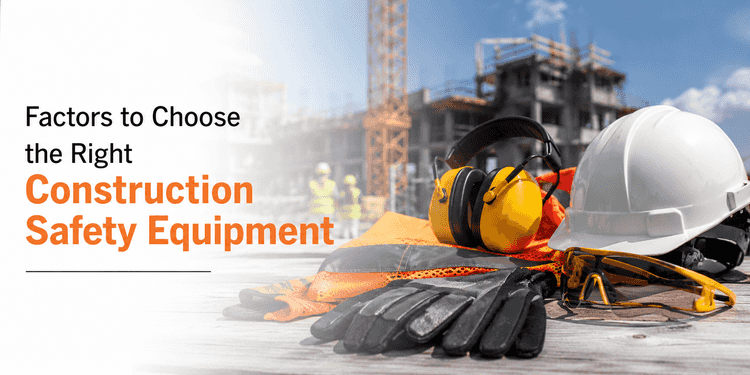
Role of Insurance in Construction Explained
Learn the role insurance plays in protecting workers and projects on a construction site before you decide.
Read More"Disclaimer: The content of this article is for general informational purposes only and is subject to change. It is based on information available at the time of writing.
Any insurance-related information given above cannot be interpreted as policy coverage. It should not be considered insurance, legal, regulatory, or other professional advice, or a substitute for the terms and conditions of your workmen compensation insurance policy.
Workmen compensation insurance coverage, benefits, exclusions, limits, eligibility criteria, and other applicable conditions are subject to the terms of the respective policy document. Please refer to the applicable policy document for complete details. Readers are advised to verify the latest information with the relevant authorities or official sources before making any decisions.
Any reference to workmen compensation insurance or TATA AIG is for general awareness only and does not constitute an offer, recommendation, or advice to purchase a workmen compensation insurance policy from TATA AIG. TATA AIG does not guarantee coverage for any specific claim, compensation, loss, liability, or situation based solely on the information provided in this article."