Kachnar Benefits & Medicinal Uses
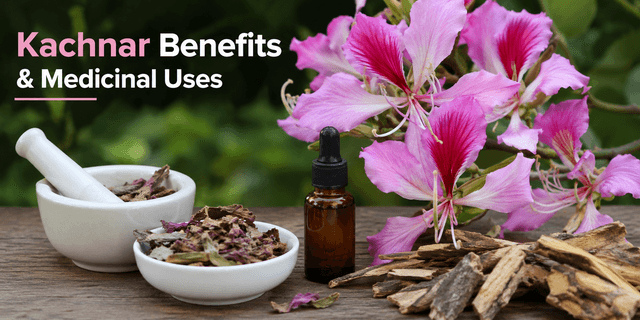
Kachnar, also known as Bauhinia vareigata or the Mountain Ebony, is a well-known medical plant in traditional Indian wellness practices. Recognised for its beautiful orchid-like flowers and wide therapeutic value, Kachnar has been used in Ayurveda for generations to support overall health and restore internal balance. From its bark and leaves to its buds and flowers, almost every part of the plant holds significance in natural healing.
In recent years, the growing shift towards plant-based remedies has brought renewed attention to the kachnar benefits, especially for concerns related to metabolism, digestion and hormonal balance. Traditionally, it has been used to support thyroid function, manage blood sugar levels, improve skin health and promote better digestion. At the same time, its role in everyday wellness, including its culinary uses, makes it a versatile addition to a balanced lifestyle.
In this blog, we will explore the wide range of kachnar uses, including its medicinal applications, nutritional profile, recipes and precautions.


Share this article

Stay Focused on Your Health, While TATA AIG Health Insurance Takes Care of Financial Protection
List of Content
 What is Kachnar?
- Nutritional Profile of Kachnar
- Kachnar in Ayurveda
- Potential Health Benefits of Kachnar
- How to Use Kachnar - Recipes to Try
- Kachnar Side Effects
- Conclusion
What is Kachnar?
Kachnar, scientifically known as Bauhinia variegata, is a flowering tree widely valued for its ornamental beauty and medical properties. Belonging to the legume family (Fabaceae), this deciduous tree is easily recognised by its striking pink, white or purple orchid-like flowers and uniquely shaped leaves that resemble a camel’s hoof.
Native to tropical and subtropical regions of Southeast Asia, Kachnar grows abundantly across India and is commonly found in gardens, roadsides and forested areas. Beyond its visual appeal, the tree holds a significant place in traditional medicine systems like Ayurveda, where different parts of the plant are used for therapeutic purposes.
From bark and leaves to buds and flowers, the kachnar plant uses are diverse and deeply rooted in holistic healing practices. The bark is often used in powdered or decoction form for its astringent and anti-inflammatory properties, while the buds and flowers are commonly consumed as vegetables in various regional dishes.
In addition to its medicinal relevance, the kachnar tree’s uses extend to everyday life. Its edible buds are used in curries and pickles, while its extracts are included in herbal formulations aimed at supporting metabolism and detoxification. This unique combination of nutritional, medicinal and culinary value makes Kachnar a versatile, important plant in both traditional and modern wellness approaches.
Nutritional Profile of Kachnar
Kachnar is rich in essential nutrients such as proteins, dietary fibre, carbohydrates and beneficial plant compounds. Interestingly, its nutritional composition varies across different parts of the plant, including flowers, buds, seeds and dried leaves, each offering unique health advantages. This diversity is one of the key reasons behind the wide-ranging health benefits of kachnar.
| Kachnar Nutritionals Components (%) | Kachnar Flowers | Kachnar Buds | Kachnar Seeds | Kachnar Dried Leaves |
|---|---|---|---|---|
| Protein | 3.24 | 3.7 | 41.9 | 15.19 |
| Fibres | 8.66 | 6.8 | 6.9 | 4.26 |
| Moisture | 77.8 | 84.51 | 6.7 | 8.83 |
| Carbohydrates | 16.01 | 6.4 | 28.4 | 66.82 |
| Ash | 2.81 | 4.33 | 4.8 | 4.9 |
| Total Oils | NA | NA | 18 | NA |
Key Nutritional Insights
- Kachnar seeds are exceptionally rich in protein and healthy oils, making them highly nutritious.
- Dried leaves have a high carbohydrate content, contributing to sustained energy.
- The presence of fibre across all parts supports gut health and metabolic balance.
Kachnar in Ayurveda
Kachnar holds a significant place in Ayurveda, where it is valued for its ability to restore internal balance and support the body’s natural healing processes. Known for its detoxifying and astringent properties, Kachnar is primarily used to manage conditions associated with an imbalance of the Kapha dosha, such as sluggish metabolism, swelling and glandular disorders.
Dosha Impact and Healing Properties
In Ayurvedic terms, Kachnar is believed to have:
- Kashaya (astringent) and Tikta (bitter) rasa (taste)
- Laghu (light) and Ruksha (dry) qualities
- A Kapha-pacifying effect, while also helping balance Pitta in certain conditions
These properties make it especially useful in reducing excess mucus, clearing toxins (ama) and supporting proper digestion. This explains many traditional kachnar uses in treating metabolic and inflammatory conditions.
Role in Detoxification and Metabolism
Kachnar is often used in Ayurveda to:
- Support lymphatic drainage and reduce swelling
- Improve digestive fire (Agni)
- Assist in breaking down accumulated toxins in the body
This detoxifying action contributes to several kachnar benefits, particularly in managing issues like bloating, skin concerns and hormonal imbalances.
Kachnar in Classical Ayurvedic Formulations
One of the most well-known uses of Kachnar is in the classical Ayurvedic formulation Kanchanar Guggulu. This herbal blend is traditionally used to:
- Support thyroid health
- Manage cysts, fibroids and glandular swellings
- Promote healthy metabolism and weight balance
In such formulations, Kachnar is typically used in powdered form, highlighting its importance in kachnar powder uses for therapeutic purposes.
Holistic Approach to Healing
Unlike modern treatments that often focus on isolated symptoms, Ayurveda uses Kachnar as part of a holistic approach. It works by addressing the root cause of imbalance, helping the body regain equilibrium over time. This deep-rooted Ayurvedic relevance makes Kachnar not just a medicinal herb, but a valuable component of long-term wellness and preventive healthcare.
Potential Health Benefits of Kachnar
Kachnar has a profile of bioactive phytonutrients with antihyperglycemic, anti-inflammatory, and cytotoxic properties, which help treat a host of disorders. Let us see how:
Kachnar Helps Lower Blood Sugar
One of the significant Bauhinia Variegata benefits is its ability to manage blood sugar levels. The plant contains antihyperglycemic and anti-diabetic compounds that support insulin mechanisms.
These compounds help regulate spikes in blood glucose levels. Regular and moderate consumption can help keep blood sugar levels in check, making it one of the important kachnar uses for metabolic health.
Kachnar Regulates Menstrual Cycles
Another crucial Kachnar leaves benefit is their role in supporting women’s health. Kachnar may help regulate menstrual cycles and manage excessive bleeding during periods.
Hormonal imbalances can often lead to irregular cycles and Kachnar is traditionally used to promote more regular and balanced menstruation by supporting healthy blood circulation and hormonal function.
Kachnar for Thyroid Problems
Kachnar is widely used in Ayurveda to support thyroid function, especially in cases of hypothyroidism. This condition occurs when the thyroid gland does not produce enough hormones, affecting metabolism and energy levels.
Kachnar, particularly in powdered or formulation form, is believed to improve metabolism and support better nutrient absorption. This makes it a valuable herb in managing thyroid-related concerns.
Kachnar Treats Haemorrhoids
Another crucial Kachnar bark benefit is its effectiveness in managing haemorrhoids. Its anti-inflammatory and astringent properties help reduce swelling and promote healing.
Additionally, Kachnar supports digestion and prevents constipation, which is a major contributing factor to piles.
Kachnar Strengthens Immune System
Kachnar is rich in antioxidant and anti-inflammatory compounds that help strengthen the immune system.
It works by neutralising free radicals and reducing inflammation, which can enhance the body's ability to fight off infections and diseases. This contributes significantly to the overall health benefits of kachnar.
Kachnar Benefits for Hair
Among the lesser-known kachnar benefits for hair is its ability to nourish the scalp and strengthen hair follicles.
Its anti-inflammatory and nutrient-rich profile may help:
- Reduce hair fall
- Improve scalp health
- Minimise dandruff Regular use may contribute to healthier, stronger and more resilient hair.
Kachnar Benefits for Skin
Kachnar’s anti-inflammatory properties make it beneficial for various skin concerns, including redness, swelling, irritation, acne and eczema.
Furthermore, Kachnar's antioxidant properties help combat free radicals, reducing oxidative stress and potentially slowing down the skin's ageing process.
Kachnar Flower Benefits
The flowers of the Kachnar tree are not only edible but also rich in antioxidants and beneficial plant compounds.
Kachnar flower benefits include:
- Reducing inflammation
- Supporting digestion
- Promoting skin health They are commonly used in traditional recipes, making them an easy way to incorporate Kachnar into your diet.
Supports Detoxification and Reduces Inflammation
Kachnar plays a role in natural detoxification by helping the body eliminate toxins and reduce internal inflammation.
This is particularly beneficial for:
- Skin conditions
- Hormonal imbalances
- Metabolic sluggishness
How to Use Kachnar - Recipes to Try
It is a crucial Ayurvedic herb that is used to treat various diseases, and it is also a versatile ingredient in cooking. These Kachnar recipes are easy to prepare, making it simple to incorporate them into your diet. Let us explore some of the delicious Kachnar recipes you can try at home:
Kachnar Curry
Ingredients
- 200 grams of Kachnar buds
- 1 onion chopped
- 1 tomato chopped
- 1 teaspoon of cumin seeds
- 1 teaspoon of red chilli powder
- 1 teaspoon of turmeric powder
- 1 teaspoon of coriander powder
- Salt (as required)
- Oil (as required)
How to Prepare
- Step 1: In a pan, boil the Kachnar buds till they become tender.
- Step 2: Now, heat the oil in another pan and add the cumin seeds until they start cracking.
- Step 3: Add the chopped onions and tomatoes and cook it for about 5 minutes.
- Step 4: Then add all the dry ingredients, including red chilli, coriander and turmeric powder.
- Step 5: Add salt as per requirement and mix all the ingredients well.
- Step 6: When the mixture starts to leave oil, add the boiled Kachnar buds. Mix it well and then cover it to cook for about 2 minutes on a low flame.
- Step 7: Stir the curry and cook for another 5 to 10 minutes. Garnish with green coriander leaves.
Keema Kachnar
Ingredients
- ½ kg of minced meat
- ½ kg of Kachnar buds
- 1 large chopped onion
- 1 teaspoon of garlic paste
- 1 teaspoon of ginger paste
- 1 medium chopped tomato
- ½ cup of oil
- 1 teaspoon of red chilli powder
- ¼ teaspoon of turmeric powder
- 1 teaspoon of garam masala
- 1 teaspoon of coriander seeds
- 1 teaspoon of cumin seeds
- Salt (as required)
- Chopped cilantro
How to Prepare
- Step 1: In a pan, add oil and heat it.
- Step 2: Add cumin seeds and coriander seeds until it starts cracking.
- Step 3: Add the ginger garlic paste, chopped onions and tomatoes and mix them well.
- Step 4: After that, add the dry spices, i.e. red chilli, turmeric, garam masala powder and salt and mix it well.
- Step 5: Then add the minced meat and mix it well until the minced meat starts releasing water and changes its colour.
- Step 6: After that, add the Kachnar buds and mix them. Cover the lid of the pan and leave it to cook for 10 minutes.
- Step 7: Stir the mixture again, add chopped cilantro and cook for 5 minutes.
- Step 8: Switch off the flame and serve it with hot chapati.
Kachnar Pickle
Ingredients
- 500 grams of Kachnar flowers
- ½ cup of vinegar
- 1 teaspoon of fennel seeds
- 1 teaspoon of turmeric powder
- 1 teaspoon of red chilli powder
- 1 teaspoon of cumin seeds
- 1 teaspoon of mustard seeds
- ½ teaspoon of fenugreek seeds
- ½ teaspoon of 1 nigella seeds
- ½ cup of mustard oil
- Salt (as required)
How to Prepare
- Step 1: Take the Kachnar flower, properly wash it and then chop it into small pieces in a bowl.
- Step 2: Next, heat mustard oil in a pan until it reaches the smoking point. And then turn off the flame.
- Step 3: In another pan, dry roast the fenugreek seeds, mustard seeds, cumin seeds, nigella seeds and fennel seeds for a few minutes until it starts releasing aroma.
- Step 4: Switch off the flame and grind all the roasted seeds into a coarse powder.
- Step 5: Add turmeric, salt, seed powder and red chilli powder to a Kachnar flower and mix well.
- Step 6: Add the mustard oil and mix it well.
- Step 7: Add the vinegar and mix all the ingredients well.
- Step 8: Transfer the mixture to a sterilised, airtight container and let it sit for 3 to 4 days before consumption.
Kachnar Side Effects
Blood Pressure Fluctuations
One of the commonly observed kachnar side effects is its potential impact on blood pressure levels. The herb’s active compounds may influence cardiovascular function, sometimes leading to either high or low blood pressure. High blood pressure can increase the risk of heart-related complications, while low blood pressure may cause dizziness, fatigue or fainting.
Hormonal Imbalance
Kachnar contains bioactive compounds that may influence hormone levels in the body. This can influence glands such as the thyroid, adrenal and reproductive organs.
This can result in symptoms such as irregular menstrual cycles, mood swings, weight fluctuations and changes in libido. Those with hormonal disorders should consult a healthcare professional before using Kachnar.
Allergic Reactions
In some cases, Kachnar may trigger allergic reactions. These can range from mild symptoms like itching, rashes and swelling to more severe reactions.
In rare instances, it may lead to breathing difficulties or severe allergic responses that require immediate medical attention. It is advisable to perform a patch test or start with a small dose.
Kidney and Liver Function
Excessive consumption of Kachnar can strain kidney and liver function. The liver is responsible for metabolising various compounds, including those found in herbs, and the kidneys help eliminate waste products from the body. Overuse can lead to overburdening these organs, potentially affecting their function over time.
Digestive Problems
Kachnar’s potent compounds may sometimes irritate the digestive system, especially when consumed in large quantities. This may result in symptoms such as nausea, vomiting, diarrhoea, bloating or abdominal discomfort. Its fibre content, while beneficial in moderation, can also contribute to gas and digestive unease if overconsumed.
Conclusion
Kachnar is a versatile Ayurvedic herb that offers a wide range of wellness benefits, from supporting digestion and metabolism to promoting skin, hair and hormonal health. Its rich nutritional profile and traditional relevance make it a valuable addition to a balanced lifestyle. However, like any natural remedy, it is important to use Kachnar in moderation and under proper guidance to avoid potential side effects and ensure safe, effective results.
At the same time, maintaining good health is not just about prevention but also about being prepared for uncertainties. Having a reliable health insurance plan ensures that you are financially protected during medical emergencies, allowing you to focus on recovery rather than expenses. With TATA AIG, you can choose from some of the best health insurance options designed to suit your specific needs. You can also conveniently buy health insurance online with a seamless and hassle-free process, making it easier than ever to secure your health.
For families, healthcare needs can vary across members, making comprehensive coverage essential. Opting for a family health insurance plan from TATA AIG helps you safeguard your loved ones under a single policy while managing costs effectively. Our flexible plans, extensive coverage and a smooth claims experience can help you protect what matters most.
Stay Focused on Your Health, While TATA AIG Health Insurance Takes Care of Financial Protection
FAQS
Can Kachnar help with weight management?

Kachnar may support weight management indirectly by improving metabolism and aiding digestion. Its role in balancing Kapha dosha and reducing toxin build-up (ama) can help the body function more efficiently. However, it should be used alongside a balanced diet and regular exercise for noticeable results.
What is the best time to consume Kachnar for maximum benefits?
Kachnar is generally recommended to be consumed in the morning on an empty stomach when taken in powdered or decoction form, as it may enhance absorption and effectiveness. However, the ideal timing can vary depending on the form and purpose, so it is best to follow guidance from a healthcare practitioner.
Can Kachnar be used for long-term daily consumption?
Kachnar can be used for extended periods in small, controlled amounts, especially when prescribed as part of an Ayurvedic regimen. However, long-term daily consumption without guidance is not recommended, as it may lead to imbalances or side effects. It is best to take it under the supervision of a qualified practitioner, particularly if you are using it for specific health conditions.
People also search for
 Health Insurance in Tamil NaduHealth Insurance in DelhiHealth Insurance in HyderabadHealth Insurance in BangaloreHealth Insurance in MumbaiHealth Insurance in ChennaiHealth Insurance in PuneHealth Insurance in KolkataHealth Insurance in Ahmedabad1 Crore Health Insurance5 Lakh Health Insurance10 Lakh Health Insurance50 Lakh Health Insurance20 Lakh Health Insurance3 Lakh Health Insurance25 Lakh Health Insurance15 Lakh Health InsuranceCancer InsuranceHealth Insurance For Heart PatientsHealth Insurance For Diabetic PatientsDengue InsuranceCovid InsuranceObesity Health InsuranceStroke InsuranceBreast Cancer InsuranceLiver Cirrhosis InsuranceTuberculosis Insurance
Key Insurance term
Health Insurance Premium CalculatorHealth Insurance RenewalCompare Health InsuranceHealth Insurance Plans For FamilySenior Citizen Health InsuranceParents Health InsuranceCritical Illness InsuranceWomen Health InsuranceDental InsuranceMaternity InsuranceIndividual Health InsuranceMedicare InsuranceMedicare PlusMedicare SelectSuper Top Up Health InsuranceArogya Sanjeevani PolicyMoratorium PeriodCashless Health InsuranceMediclaim PolicyBenefits Of Health InsuranceHealth Insurance PortabilityOpd Cover in Health InsuranceMediclaim Vs Health InsuranceDifference Between Life And Health InsuranceWaiting Period in Health InsuranceLoading in Health InsuranceOpd Vs IpdCopay in Medical BillingHealth Insurance Gst RateAge Limit For Health InsuranceMedical AllowanceNcb in Health InsuranceShare this article
Latest from our blogs
Health Benefits of Vasaka and Medicinal Uses
Discover the health benefits of Vasaka, its medicinal uses, nutritional value, and wellness advantages.
Read More
Health Benefits of Atibala and Its Medicinal Uses
Learn the health benefits of atibala, its traditional uses, wellness advantages, and nutritional value.
Read More
Health Benefits of Paneer Doda Explained
Discover the health benefits, medicinal uses, nutritional value, and wellness applications of Paneer Doda.
Read More"Disclaimer: The content of this article is for general informational purposes only and is subject to change. It is based on information available at the time of writing.
Any insurance-related information given above cannot be interpreted as policy coverage. It should not be considered insurance, medical, legal, regulatory, or other professional advice, or a substitute for the terms and conditions of your health insurance policy.
Health insurance coverage, benefits, exclusions, limits, eligibility criteria, and other applicable conditions are subject to the terms of the respective policy document. Please refer to the applicable policy document for complete details. Readers are advised to verify the latest information with the relevant authorities or official sources before making any decisions.
Any reference to health insurance or TATA AIG is for general awareness only and does not constitute an offer, recommendation, or advice to purchase a health insurance policy from TATA AIG. TATA AIG does not guarantee coverage for any specific claim, medical expense, loss, or situation based solely on the information provided in this article."