Own-Damage Vs Third-Party Bike Insurance


Own-Damage Vs Third-Party Bike Insurance
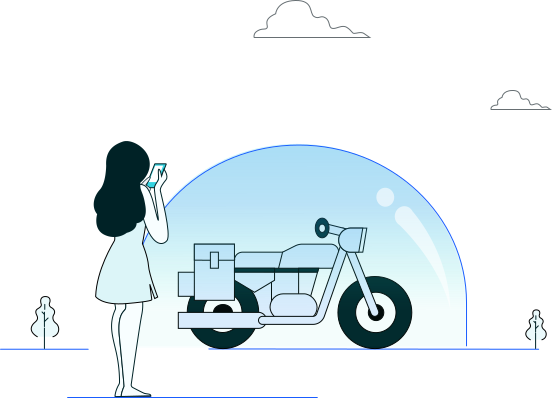
Picking the right bike insurance in India is easier when you know the main difference between own-damage cover (for your bike) and third-party cover (for others). While third-party insurance is mandatory by law, own-damage coverage protects your vehicle against accidents, theft and natural calamities.
The decision to choose between own damage vs third party bike insurance depends on factors like your vehicle's age, current market value and how much risk you're willing to take. This guide will walk you through everything you need to know when you buy bike insurance, explaining both coverage types, their benefits and which policy option suits your needs best for complete financial protection and peace of mind.
What is Own-Damage Bike Insurance?
Own-damage bike insurance is a specialised policy that provides financial protection for your two-wheeler against physical damage or complete loss. You can think of it as a safety net that protects your bike in case of an unfortunate event. The own-damage bike insurance policy provides financial protection from various risks, including fire, explosion, lightning strikes, burglary, theft, riots, strikes, earthquakes, floods, storms, accidental damage, malicious acts and even terrorist activities.
It also covers damage during transit and from landslides or rockslides. When you buy bike insurance with own-damage coverage, we will compensate you for repair costs or the vehicle's replacement value based on the Insured Declared Value (IDV). This policy focuses only on protecting your vehicle and does not include the mandatory third-party liability coverage.
It's especially valuable for new or expensive bikes where repair or replacement costs can be quite high, making understanding bike insurance for own damage and third party essential for complete protection.
Benefits of Own-Damage Insurance
- Comprehensive Accident Coverage: Your policy protects you against all types of accidental external damage to your vehicle. This means if you meet with a collision, your repair costs for body damage and mechanical issues resulting from unexpected accidents are fully covered, depending on the policy coverage.
- Theft and Burglary Protection: If your two-wheeler gets stolen, you receive complete reimbursement based on your vehicle's IDV.
- Natural Calamity Coverage: Your bike stays protected from damages caused by nature's fury, including floods, earthquakes, cyclones, hailstorms, storms, typhoons and hurricanes.
- Fire and Explosion Safety: The policy covers losses from fire incidents, self-ignition, lightning strikes or explosions. Such devastating events can completely damage your vehicle, but you won't have to bear the financial burden alone.
- Riot and Strike Damage: You are compensated if your vehicle suffers damage during civil unrest, riots, strikes, malicious acts, or even terrorist activities.
- Transit and Roadside Damage: Your coverage extends to when your vehicle is being transported by road, rail, waterway, or air. Additionally, if your vehicle meets with an accident, the insurance provider will pay (up to ₹300 per incident) for taking the vehicle to the nearest repair shop and bringing it back to you after the repairs.
Also read: Own Damage Cover is Useful in Bike Insurance
What is Third-Party Bike Insurance?
Third-party bike insurance is a mandatory legal requirement that protects you against financial liabilities arising from damage or injury caused to others. This policy covers your legal obligation to compensate third parties for death, bodily injury, or property damage caused by your two-wheeler.
When you buy bike insurance with third-party coverage, the insurance company pays for legal liabilities to injured persons and property damage up to the limits specified by law. However, it doesn't cover any damage to your own vehicle. Under the Motor Vehicles Act 1988, every vehicle owner must have at least third-party insurance to ride legally on Indian roads.
This makes it the basic, compulsory coverage when you buy a two-wheeler, protecting you from potentially huge compensation claims that could otherwise financially devastate you after an accident.
Benefits of Third-Party Insurance
- Legal Compliance and Road Legality: Fulfils your mandatory legal obligation under the Motor Vehicles Act, allowing you to ride legally on public roads without facing penalties, fines or vehicle impoundment from authorities.
- Death and Injury Compensation Coverage: Protects you financially against legal liabilities for causing death or bodily injury to any third party, including pedestrians, other vehicle occupants or anyone affected by your vehicle.
- Property Damage Protection: Covers your legal liability for damages to third-party property, including other vehicles, buildings or belongings, up to Rs. 1 lakh, protecting you from compensation claims and lawsuits.
- Legal Defence and Court Costs: The insurance company handles court costs and claimant's expenses on your behalf, saving you from the stress and financial burden of legal battles and procedures.
- Personal Accident Coverage: Provides coverage for death or bodily injury claims to third parties, ensuring you are protected even if compensation amounts run into lakhs or crores in serious accidents.
- Five-Year Long-Term Protection: When you buy two-wheeler insurance under bundled policies with TATA AIG, you can get third-party coverage for five years, eliminating the hassle of annual renewals and protecting against future premium increases.
Own-Damage vs Third-Party Bike Insurance: Key Differences
| Point of Consideration | Own-Damage | Third-Party |
|---|---|---|
| Scope of Coverage | This policy only extends cover for damage and loss incurred by the insured vehicle. Any third-party damage is not covered. | This policy category is mandatory as per law and extends coverage for any loss, damage or legal requirements incurred by a third party because of the insured bike. |
| Add-ons | It is a kind of comprehensive bike insurance plan and offers the flexibility of customisations based on needs with multiple add-on rider options. | This policy cannot be customised and is limited to only third-party incurred damage and loss compensation. No add-ons are available. |
| Cover for Personal Accidents | Personal accident cover is not available with any of the OD plans. However, some insurers like Tata AIG offer it. | Under this policy type, personal accident cover is available for a value of ₹15 lakhs |
| Premiums | Given the customisation flexibility and the wide range of cover for damage and loss incurred by the insured, the premium charged is a little higher. | This insurance category is the most affordable bike insurance plan. |
| Depreciation | The depreciated value of the insured bike is taken into consideration at the time of claims and premium calculation. | The depreciated value of the insured bike is not considered for calculating premiums or claim settlements. |
Now, let’s explore each aspect in detail to help you make an informed decision about which coverage suits your needs best.
Scope of Coverage
When you buy two-wheeler insurance with own-damage coverage, you are specifically protecting your own vehicle against physical damage and loss. This means if your bike gets damaged in an accident, catches fire, gets stolen or suffers damage from natural disasters like floods or earthquakes, the insurance company compensates you for the repair or replacement costs.
On the other hand, third-party insurance works exactly opposite. It's mandatory by law and covers your legal liability when your bike causes damage, injury, or death to third parties. This includes pedestrians, other vehicle owners or their property. But here's the catch—it won't pay you for damages to your own bike, no matter how severe the accident is.
Add-ons and Customisations Options
Own-damage insurance lets you tailor your policy to your needs. When you buy a bike insurance policy with own-damage protection, you can enhance it with multiple add-on covers as per your needs. These covers allow you to tailor your policy exactly to your needs and riding patterns.
For example, if you often ride during monsoons, the Engine Secure add-on protects against water damage. If you own a new bike, Return to Invoice ensures you get the full purchase price in case of total loss.
In contrast, third-party insurance offers zero customisation options. It's a standardised, fixed coverage that only addresses third-party liabilities as mandated by law, with no room for additional protections or modifications.
Cover for Personal Accidents
Personal accident coverage differs significantly between these two insurance types, making it an important consideration when you decide to buy two-wheeler insurance. Standalone own-damage policies typically do not include personal accident cover for the owner-driver as standard protection. However, some insurers offer it as an optional cover that you can purchase separately if needed.
The law requires ₹ 15 lakhs personal accident cover for owner-drivers who hold a valid driving license and whose vehicle is registered in their individual name. This mandatory cover protects you against death, permanent total disability, loss of limbs or loss of sight resulting from accidents involving your insured vehicle, which provides important financial security to your family in unfortunate circumstances.
Premiums
The cost factor plays a significant role when you buy bike insurance, and there is a clear difference between these two coverage types. Own-damage insurance comes with higher premiums because it offers extensive coverage for your vehicle against multiple perils and risks. The premium calculation considers your bike's Insured Declared Value (IDV), which is based on the manufacturer's listed selling price minus age-related depreciation.
On the other hand, third-party insurance is affordable and represents the most economical bike insurance option available. Since it only covers your legal liabilities toward others and does not protect your own vehicle, the premiums are significantly lower.
Depreciation
You should know how depreciation affects your claim payment when you buy two-wheeler insurance. With own-damage coverage, depreciation significantly impacts your claim amount. When you file a claim for repairs, the insurance company applies depreciation rates on all replaced parts based on your vehicle's age.
Interestingly, third-party insurance doesn't involve any depreciation consideration because it only deals with compensating third parties for damages you cause. The depreciated value of your bike is not taken into consideration when calculating third-party premiums or settling third-party claims, making the process straightforward.
Factors to Consider While Buying Bike Insurance
Vehicle Age and Current Market Value
Your bike's age plays a huge role in deciding whether comprehensive (standalone) coverage makes financial sense or not. As bikes get older, their market value drops significantly due to depreciation, which means the premium you pay might sometimes be close to what you would actually receive in a claim.
Insured Declared Value (IDV) Accuracy
IDV is basically the maximum amount your insurer will pay if your bike is stolen or completely damaged. It's calculated by taking the manufacturer's selling price and subtracting depreciation based on your bike's age, so getting this right is important for fair compensation.
Available Add-on Covers for Enhancement
Think of add-ons as extra protection layers you can add to your basic policy when you buy two-wheeler insurance. Options like Zero Depreciation, Engine Protection, and Roadside Assistance help you customise coverage to match exactly what you need.
No Claim Bonus Benefits and Eligibility
This is a reward for being a safe rider. If you don't make any claims during your policy year, you earn discounts of up to 50% of the premium on your next renewal. These savings accumulate over claim-free years, making your insurance more affordable while encouraging careful riding.
Claim Settlement Process and Network Garages
Before you buy bike insurance, check how easy their claim process is and how many network garages they have near you. Cashless repair facilities at authorised garages and quick claim settlement make a huge difference when you actually need to use your insurance during emergencies.
How to Purchase Bike Insurance Online with Tata AIG?
Now that you are well aware of the key differences between the two common bike insurance plans available, let us find out how to purchase bike insurance online with us in a few quick steps. 1. Visit our official website and find the "Bike" section. Click on it to get started today. 2. Enter your bike's registration number in the box provided. Then click the "Get Price" button to continue. 3. Fill in all required information about your bike. Add your personal details like name, contact, and address. 4. Select the insurance policy that suits your needs. Add any extra rider options you want for coverage. 5. Review the calculated premium amount shown for your chosen policy. If satisfied, proceed to make the payment. 6. Complete your payment using your preferred method. You will get your bike insurance paperwork right away by email.
Conclusion
When you buy two-wheeler insurance, understanding the difference between own-damage and third-party coverage helps you make a smart choice. Third-party insurance is required by law and protects others, but it does not cover your own bike. Own-damage insurance protects your vehicle from accidents, theft, and natural disasters. For complete peace of mind, you need both types of coverage working together to keep you and your bike fully protected.
Before you buy bike insurance, think about your bike's value, how you use it, and what risks you face daily. Take time to compare bike insurance plans and see what fits your budget and needs. At TATA AIG, we make buying two-wheeler insurance simple and easy. Our policies give you complete protection with quick claims and 24/7 support, so you can ride without worry.
Disclaimer / TnC
Your policy is subjected to terms and conditions & inclusions and exclusions mentioned in your policy wording. Please go through the documents carefully.
Related Articles
Frequently Asked Questions
General
Is own damage insurance enough for a bike?

No, own-damage insurance alone is not enough. When you buy bike insurance, you need third-party coverage too, as it's required by law. Own-damage only protects your bike, not others. For complete protection, get both coverages together.
What is 1 year OD and 3 year TP?
This means your own-damage coverage lasts for 1 year while third-party coverage runs for 3 years. When you buy two-wheeler insurance, you can choose this option to avoid renewing third-party insurance every year, saving time and money.
Which is better, own damage or comprehensive?
Comprehensive insurance is better because it includes both own-damage and third-party coverage together. When you buy bike insurance, comprehensive plans give you complete protection for your bike and legal coverage for others in one single policy.
How is own damage different from third-party insurance?
Own-damage protects your bike from accidents, theft, and natural disasters. Third-party covers damage you cause to others. Understanding bike insurance for your own damage and third-party helps you choose the right coverage. You need both for full protection on the road.
Does my own damage cover accidents I cause?
No, own-damage insurance only covers damage to your own bike, not accidents you cause to others. When comparing own damage vs third-party bike insurance, remember that third-party coverage handles damages you cause. You need both types for complete safety.
Can I claim personal injuries under my own damage insurance?
Usually, own-damage insurance doesn't cover personal injuries. However, when you buy two-wheeler insurance, you can add a personal accident cover separately. Third-party policies include Rs. 15 lakhs personal accident cover for the owner-driver as per law.
How are premiums different for own damage vs third-party?
Own-damage premiums are higher because they cover your bike against many risks, like accidents and theft. Third-party premiums are much lower since they only cover legal liabilities. The government fixes third-party rates, making them the same across all insurers.
Explore More Under Bike Insurance
Two Wheeler Insurance for Top Brands
Two Wheeler Insurance for Top Models
Two Wheeler Insurance for Top Destinations
Two Wheeler Insurance Key Terms
"Disclaimer: The content of this article is for general informational purposes only and is subject to change. It is based on information available at the time of writing.
Any insurance-related information given above cannot be interpreted as policy coverage. It should not be considered insurance, legal, regulatory, or other professional advice, or a substitute for the terms and conditions of your bike insurance policy.
Bike insurance coverage, benefits, exclusions, limits, eligibility criteria, and other applicable conditions are subject to the terms of the respective policy document. Please refer to the applicable policy document for complete details. Readers are advised to verify the latest information with the relevant authorities or official sources before making any decisions.
Any reference to bike insurance or TATA AIG is for general awareness only and does not constitute an offer, recommendation, or advice to purchase a bike insurance policy from TATA AIG. TATA AIG does not guarantee coverage for any specific claim, loss, or situation based solely on the information provided in this article."