Without Helmet Fine in Delhi
Riding a two-wheeler offers speed and convenience during commutes, but you also need to ride it responsibly. A helmet is not optional gear, it is basic protection, just like carrying a licence or valid vehicle documents. There are still many riders who choose to skip it, often believing nothing will happen on a short ride.
Even the most careful rider cannot control road conditions or the behaviour of others. That is why helmet rules exist and penalties for ignoring them have become stricter over time. From understanding what qualifies as a legal helmet to knowing the consequences of not wearing one, continue reading this article to know everything you need to know.
If you want to understand how without helmet fines work, what the law actually says, or what to do after receiving a challan, you are in the right place.


Share this article

Ride Prepared and Protected with a TATA AIG Bike Insurance at Affordable Prices!
Comprehensive, Third Party And Own Damage Bike Insurance At Tempting Premium
List of Content
 What is the Riding Without Helmet Violation in Delhi?
- What is the Fine for Not Wearing Helmet in Delhi?
- What Will Happen If You Get Caught Riding Without a Helmet?
- How to Pay the Challan for Riding Without a Helmet Violation?
- What are the Helmet Rules in Delhi?
- Ways to Avoid Getting a Helmet Challan in Delhi?
- Why Should You Wear a Helmet in Delhi?
- How to Find the Right Helmet When Riding?
- Conclusion
What is the Riding Without Helmet Violation in Delhi?
Riding a two-wheeler without a helmet is considered a serious traffic offence in Delhi. And it is not just about the rule, it is about staying safe. Under Section 194D of the Motor Vehicles Act, both riders and pillion passengers must wear protective headgear. This helmet law exists because head injuries are among the most serious risks in two-wheeler accidents, and a helmet can make a significant difference.
In recent years, the rules around helmet violations have become much stricter. If you are caught riding without a helmet, traffic authorities can take firm action. This may include a fine for not wearing helmet, suspension of your driving licence, or even seizure of your vehicle in some cases. Repeated violations can lead to tougher consequences.
It is important to note that enforcement and penalties may vary slightly from one state to another. In certain cases, riding without a helmet can even attract legal action beyond fines. It is a small habit that protects you, your passenger, and your family’s lives every time you ride.
What is the Fine for Not Wearing Helmet in Delhi?
In Delhi, traffic authorities take helmet safety very seriously. Under without helmet fine section 194D of the Motor Vehicles Act, riding a two-wheeler without a helmet can cost you a ₹1,000 fine, whether you are the rider or the pillion passenger. Even if it is not your first offence, the fine remains the same.
Just putting on a helmet is not enough either. If the strap is not properly fastened, it is considered riding without a helmet and may also result in a ₹1,000 fine. Traffic police also check helmet quality. Wearing a damaged helmet or one that does not meet BIS safety standards is considered unsafe and attracts the same ₹1,000 penalty.
These rules are not meant to be harsh, they are meant to save lives. A good-quality helmet, worn correctly, can significantly reduce the risk of serious head injuries. It is a small habit that protects you every time you ride and helps you stay on the right side of the law.
What Will Happen If You Get Caught Riding Without a Helmet?
If traffic police stop you for riding without a helmet, you do not have to panic. The process is usually simple and follows a few clear steps:
- Step 1: The traffic officer will signal you to stop safely on the side of the road. In some situations, they may briefly hold on to your vehicle keys to ensure the check is completed smoothly.
- Step 2: You will be asked to show your basic vehicle documents, such as your driving licence, RC, PUC certificate, and motor insurance. This is a routine check, so having all documents ready makes things quicker and easier.
- Step 3: If any document is missing or expired, the officer may point it out and impose an additional penalty in addition to the helmet violation.
- Step 4: Once the check is complete, the officer will issue a challan for riding without helmet MV Act. Most of the time, this is done digitally, and you will receive an e-challan at your registered mobile number. In some cases, a paper challan may be given.
- Step 5: E-challans can be paid online at your convenience. If you get paper challans, you can pay them at the traffic police station or as guided by the officer.
How to Pay the Challan for Riding Without a Helmet Violation?
If you get a challan for not wearing helmet, do not worry. It is easy to clear it. You can pay the e-challan online from home or at a traffic police station, whichever is more convenient for you.
Online Payment Process
- Step 1: Open the official Parivahan e-challan website on your phone or computer.
- Step 2: Look for the “Challan” or “Violation Payment” option and tap on it.
- Step 3: Enter your challan number or vehicle registration number.
- Step 4: Fill in the captcha code shown on the screen.
- Step 5: Check the challan details carefully to make sure everything is correct.
- Step 6: Choose how you would like to pay, such as UPI, debit card, credit card, net banking, or a digital wallet.
- Step 7: Once the payment goes through, you will receive a confirmation message and a digital receipt. Save it or download it for future reference.
Offline Payment Process
- Step 1: Carry your basic documents and challan details with you.
- Step 2: Inform the officer of your helmet violation and provide the challan paper. If you have lost the paper challan, ask the officer to retrieve it from their database.
- Step 3: Carefully check the information provided before making the payment.
- Step 4: Pay the fine as instructed by the officer, either in cash or via approved payment methods.
- Step 5: Always collect the receipt and keep it safe as proof of payment.
What are the Helmet Rules in Delhi?
As per the definition provided in the Motor Vehicles Act, a motorist, whether riding a bike or being carried on the bike, is compulsorily required to wear a helmet.
One of the most common questions asked regarding this topic is “Is helmet compulsory for 2nd person?” The answer is yes. According to the double-helmet rule in Delhi, the pillion rider helmet rule must be followed when riding behind.
Not wearing helmet by pillion rider and both have equal danger while riding a bike. In the absence of a helmet, motorists may suffer from severe head injuries, resulting in casualties. Hence, both must wear helmets. Otherwise, a fine may be imposed.
The only exception to the helmet rules in Delhi is the Sikh community, who are allowed to ride without a helmet when wearing a turban. The Motor Vehicle Act also outlines the specifications of the correct type of helmet to safeguard motorists.
Ways to Avoid Getting a Helmet Challan in Delhi?
Helmets are a safety shield for motorists and must be worn at all times when riding a bike. Failing which, a driving without a helmet will be levied.
If you want to avoid being without a helmet in Delhi, here are a few important tips to follow:
- Always wear a helmet when you set out on the road.
- Buy a helmet after ensuring it has a genuine ISI mark and that all safety standards are met.
- It is crucial to replace a damaged or old helmet with a new one.
- One must always have an extra helmet for the pillion rider to avoid getting a pillion rider without helmet challan.
- Have the helmet locked on the bike so you remember to wear it.
- Always buy a helmet with the right thickness and material to ensure your safety.
- Ensure you buy a helmet that fits your head appropriately.
Also Read: Fine for Driving Without Insurance in India
Why Should You Wear a Helmet in Delhi?
1. Protects Your Head: Your head is the most vulnerable part of your body during an accident. A helmet absorbs impact and reduces the risk of serious or fatal head injuries.
2. Shields Your Face and Jaw: A good helmet does not just protect the top of your head. It also covers your face and jaw, which are commonly injured during skids or sudden falls. This added protection can prevent fractures and long-term facial damage.
3. Improves Visibility: Wind, dust, insects, and debris can seriously affect your vision while riding. A helmet visor acts as a protective shield, helping you see clearly and react quickly on the road.
4. Reduces Fatigue: Riding without a helmet exposes you to pollution, wind pressure, and constant eye strain. Wearing one helps you stay more comfortable and less tired, especially during longer rides.
5. Protects Against Weather: If it is harsh sunlight, cold winds, or sudden rain, a helmet helps regulate temperature and keeps you comfortable in all weather conditions.
6. Supports Insurance Claims: Wearing a helmet demonstrates responsible riding. In the event of an accident, insurers may consider the safety measures taken while riding, helping to avoid claim-related complications.
7. Set the Right Example: When you wear a helmet, you quietly encourage others to do the same, and that makes roads safer for everyone.
Also Read: DOT Certified Helmet - Safety Standards & Importance
How to Find the Right Helmet When Riding?
Start with the Right Shape
Not all heads are the same size, and their helmets are not either. Some heads are more round than others, and others are slightly oval. You must choose a helmet that matches your head size and shape, helps avoid pressure points and keeps the helmet stable while riding.
Pay Attention to the Padding
The inside of the helmet should feel snug but comfortable. If it has good padding, it absorbs impact on your head. If the padding is adjustable or removable, that is a bonus and allows you to achieve a more personalised fit over time.
Check the Chin Strap
A helmet that is not strapped properly will not protect you. The chin strap should fit snugly under your chin without digging into your skin. Once fastened, the helmet should not shift when you move your head.
Think About Weight and Material
Heavier helmets can strain your neck, especially on long rides. If you get lightweight helmets, they are more comfortable and easier to wear daily. There are strong materials, such as ABS, that provide good protection without adding unnecessary weight.
Look for Comfort Features
Simple features like good ventilation, anti-fog visors, and sun shields make riding safer and more enjoyable, especially in traffic or changing weather.
Choose Quality Over Price
Always go for a trusted brand that meets safety standards. A good helmet is an investment in your safety and one you will appreciate every time you ride.
Also Read: Best Engine Oil for Bikes in India
Conclusion
No ride is too short to skip a helmet. You must always wear helmets, whether the ride is short or long. A helmet always protects you when the unexpected happens. Laws and fine for without helmet riding remind us of this responsibility, but the true value of a helmet lies in the life it can save. It reduces the risk of serious injury and keeps you protected on every journey.
Along with wearing the right safety gear, it is just as important to have bike insurance plans for the unexpected. Accidents, repairs, or third-party liabilities can happen even when you are careful, and having TATA AIG two-wheeler insurance helps you handle these situations without added stress. TATA AIG offers a well-designed bike insurance policy that focuses on broad coverage, quick claims processing, and reliable support when you need it most.
Choosing the right bike insurance means you are covered not just for big mishaps, but also for everyday risks that come with regular riding. Knowing the correct IDV in bike insurance further ensures your bike is valued fairly at the time of a claim. With TATA AIG, you are not just protecting your vehicle, you are riding with confidence.
Ride Prepared and Protected with a TATA AIG Bike Insurance at Affordable Prices!
Comprehensive, Third Party And Own Damage Bike Insurance At Tempting Premium
Frequently Asked Questions
What happens if the no-helmet challan is not paid within the timeline?

When an e-challan is issued for your vehicle, the payment must be settled within 60 days from the issuance date. Non-compliance with this timeline may result in additional penalties and legal action.
Can my licence be suspended for riding without a helmet?
Yes, it can happen in some states. If you are caught repeatedly riding without a helmet, authorities may temporarily suspend your driving licence. Additionally, repeat violations are usually taken as a sign of unsafe riding.
Can I be fined more than once for the same helmet offence?
Yes, each time you are caught riding without a helmet counts as a separate offence. If it happens again, you may have to pay a higher fine and could face stricter action.
What does the ISI standard for helmets actually mean?
The ISI mark, issued by the Bureau of Indian Standards (BIS), indicates that the helmet has passed government-approved safety tests. It is a sign that the helmet can offer reliable protection during an impact.
Can I wear a helmet from a foreign brand in India?
Yes, but only if it carries a valid BIS/ISI mark. From June 2021, all helmets sold or used in India must have this certification, regardless of the brand’s country of origin.
Is it okay to use a helmet that is 10 years old?
No, helmets wear out over time. Daily use, heat, sweat, and general aging can weaken the materials, even if the helmet looks fine. You must replace it regularly to ensure proper protection.
Read More
People also search for
Tvs InsuranceBajaj Bike InsuranceRoyal Enfield InsuranceHonda InsuranceSuzuki InsuranceYamaha InsuranceOla Bike InsuranceKTM InsuranceVespa InsuranceActiva InsuranceJupiter InsuranceClassic 350 Insurance PriceHunter 350 Insurance PriceOla S1 Pro InsuranceBajaj Chetak InsuranceAccess 125 Insurance PriceTvs Iqube InsuranceAther Rizta InsuranceTriumph Speed 400 InsuranceBike Insurance In ChennaiBike Insurance In DelhiBike Insurance In MumbaiBike Insurance In TelanganaBike Insurance In OdishaBike Insurance In BangaloreBike Insurance In GoaBike Insurance In Tamil NaduBike Insurance In CoimbatoreBike Insurance In PatnaKey Insurance term
Third Party Bike InsuranceComprehensive Bike InsuranceOwn Damage Insurance For BikeFirst Party Bike InsuranceElectric Bike InsuranceLong Term Two Wheeler InsuranceOld bike insuranceZero Depreciation Bike InsuranceIDV in Bike InsuranceNCB in Bike InsuranceCompare Bike InsurancePA Cover in Bike InsuranceReturn To Invoice Vs Zero DepreciationBike Insurance Premium CalculatorEngine Protection Cover in Bike InsuranceBike Insurance Grace PeriodBumper to Bumper Bike InsuranceShare this article
Latest from our blogs

Wrong Side Fine in Delhi: Rules, Penalties
The wrong side fine in Delhi, the penalties for these violations, and how to pay your challan online.
Read More
Without Helmet Fine in Telangana - Penalty
The without helmet fine in Telangana, the helmet rules, payment methods and tips to avoid penalties.
Read More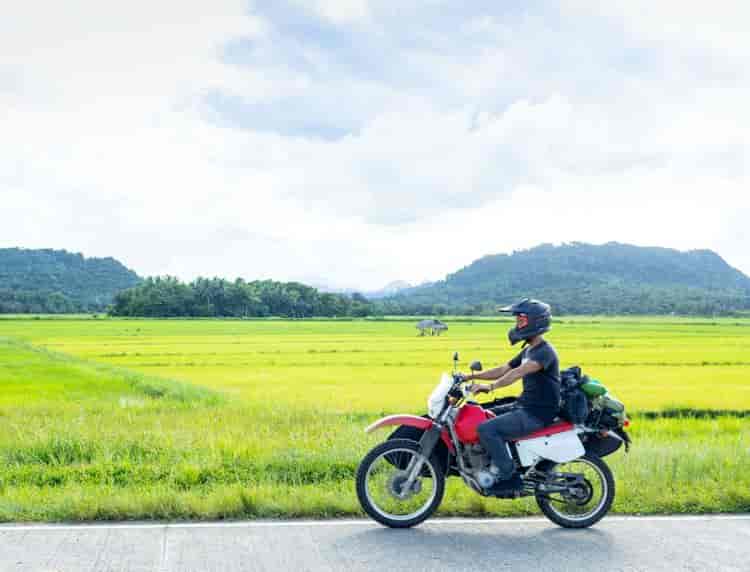
Without Licence Fine in Delhi: Rules, Penalties
Penalties for riding without a licence in Delhi, how to pay online or offline, and how to get one now.
Read More"Disclaimer: The content of this article is for general informational purposes only and is subject to change. It is based on information available at the time of writing.
Any insurance-related information given above cannot be interpreted as policy coverage. It should not be considered insurance, legal, regulatory, or other professional advice, or a substitute for the terms and conditions of your bike insurance policy.
Bike insurance coverage, benefits, exclusions, limits, eligibility criteria, and other applicable conditions are subject to the terms of the respective policy document. Please refer to the applicable policy document for complete details. Readers are advised to verify the latest information with the relevant authorities or official sources before making any decisions.
Any reference to bike insurance or TATA AIG is for general awareness only and does not constitute an offer, recommendation, or advice to purchase a bike insurance policy from TATA AIG. TATA AIG does not guarantee coverage for any specific claim, loss, or situation based solely on the information provided in this article."